Hi, I’m Gal.

A Product Designer with a background in Industrial Design

I bring systems thinking, deep user research, and technology-driven problem-solving into digital experiences.

Explore Work
01

Tamara

End-to-end redesign of an e-commerce platform, optimized for B2B ordering habits and business growth.
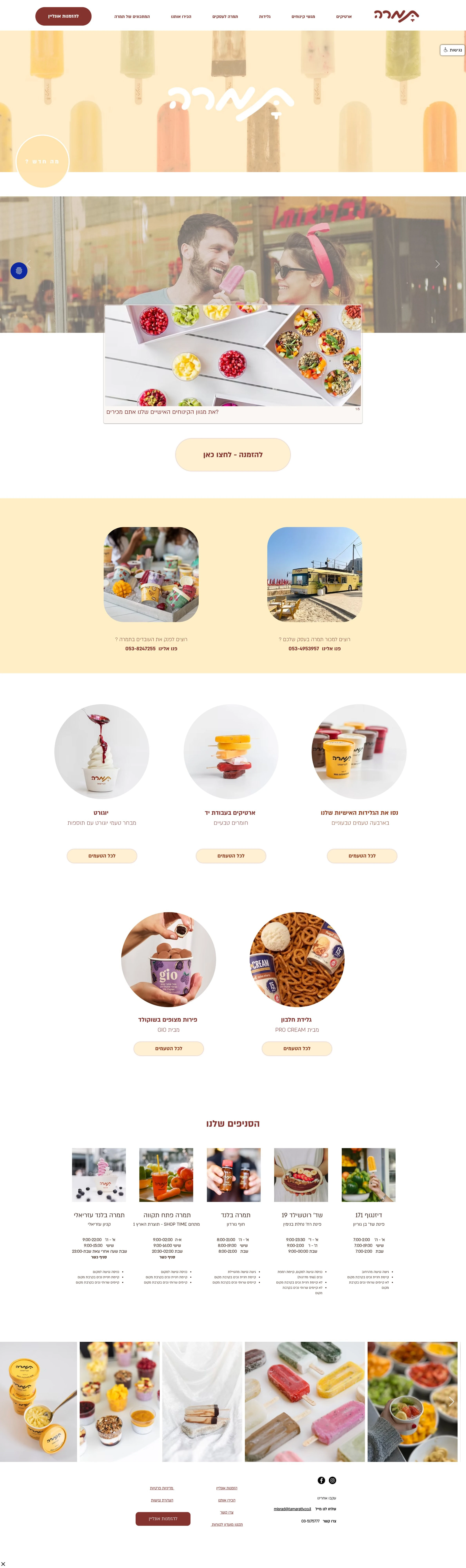
Tamara website redesign
02

Tzirim - App

Product and service design for a dual-state vehicle management system, bridging daily utility with emergency assistance.
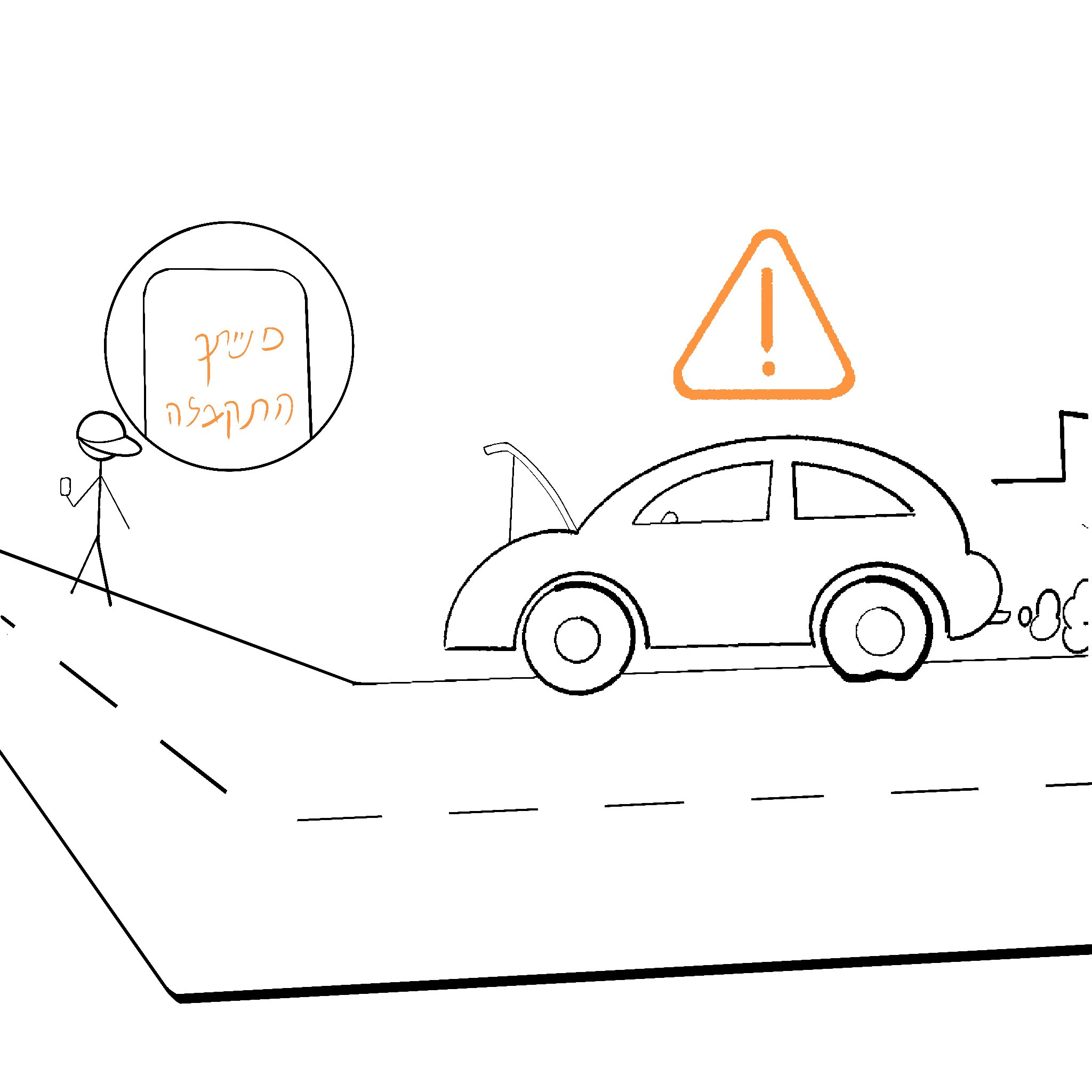
Desert road
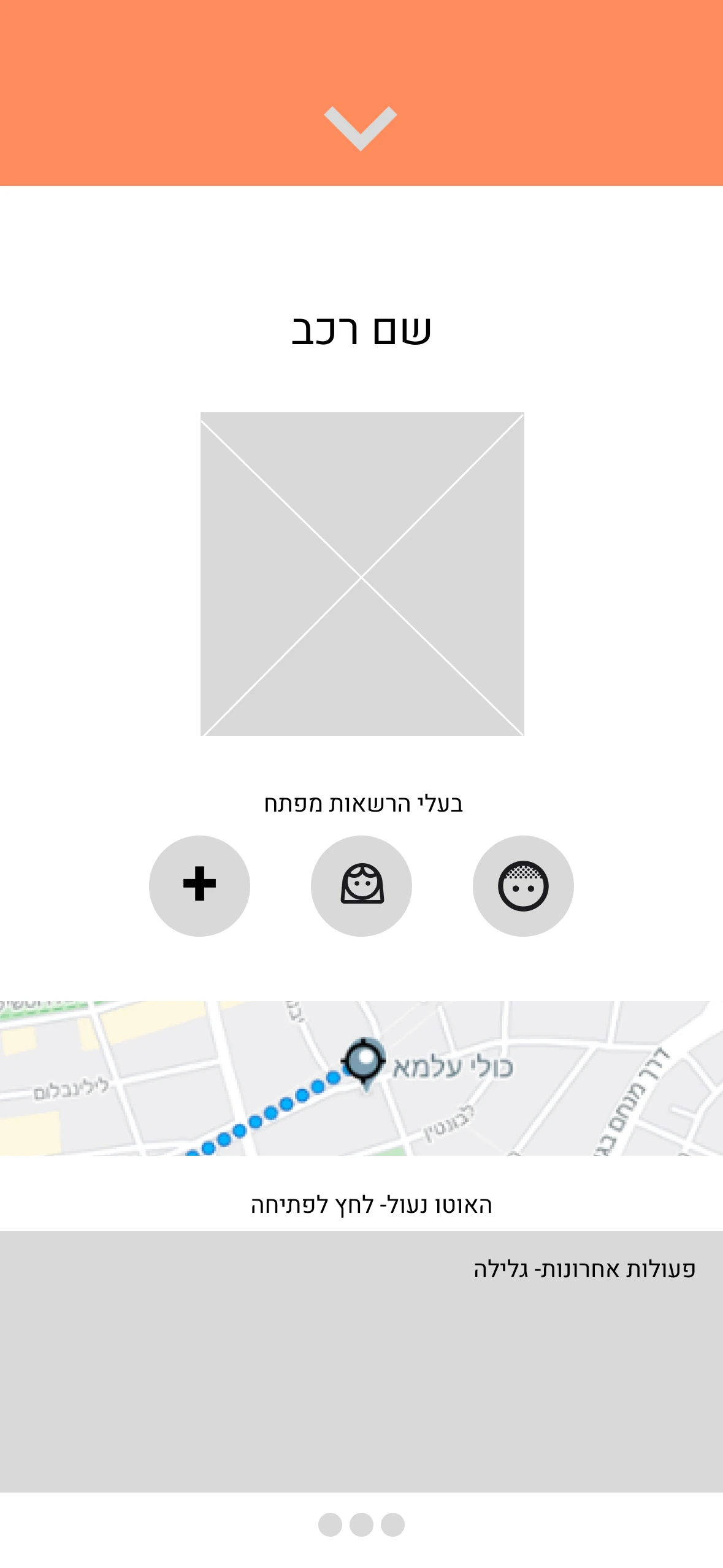
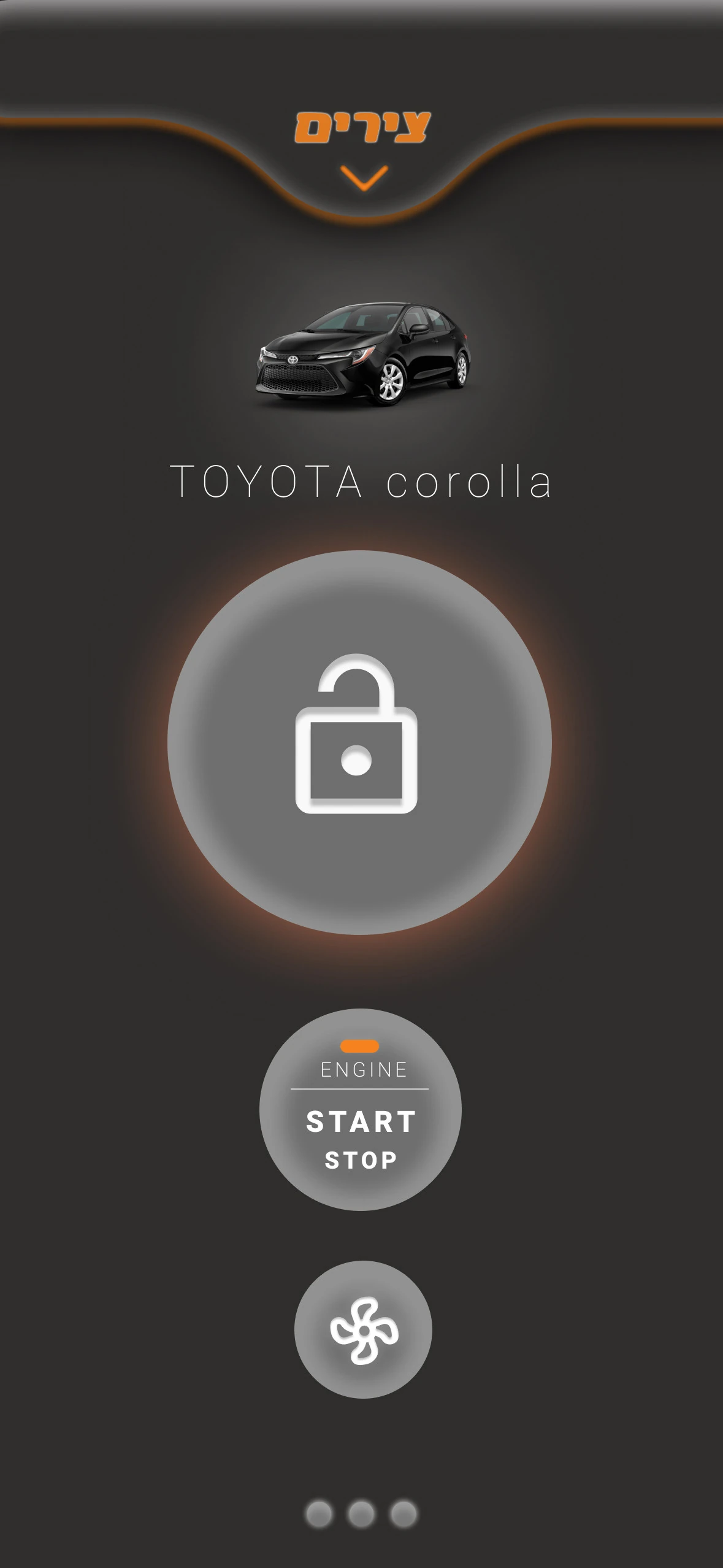
Tzirim app screen
MORE WORK

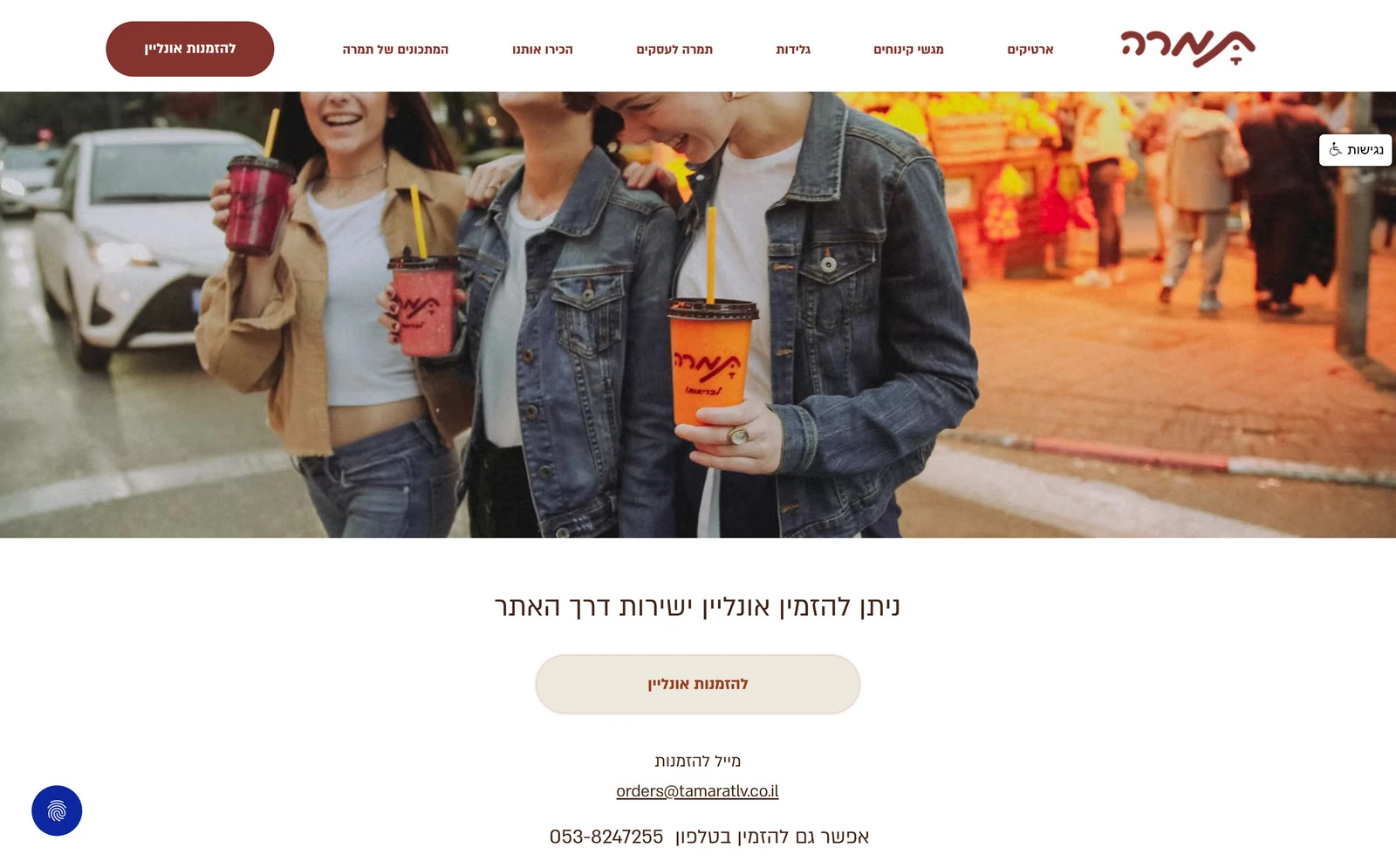
Tamara E-Commerce Redesign

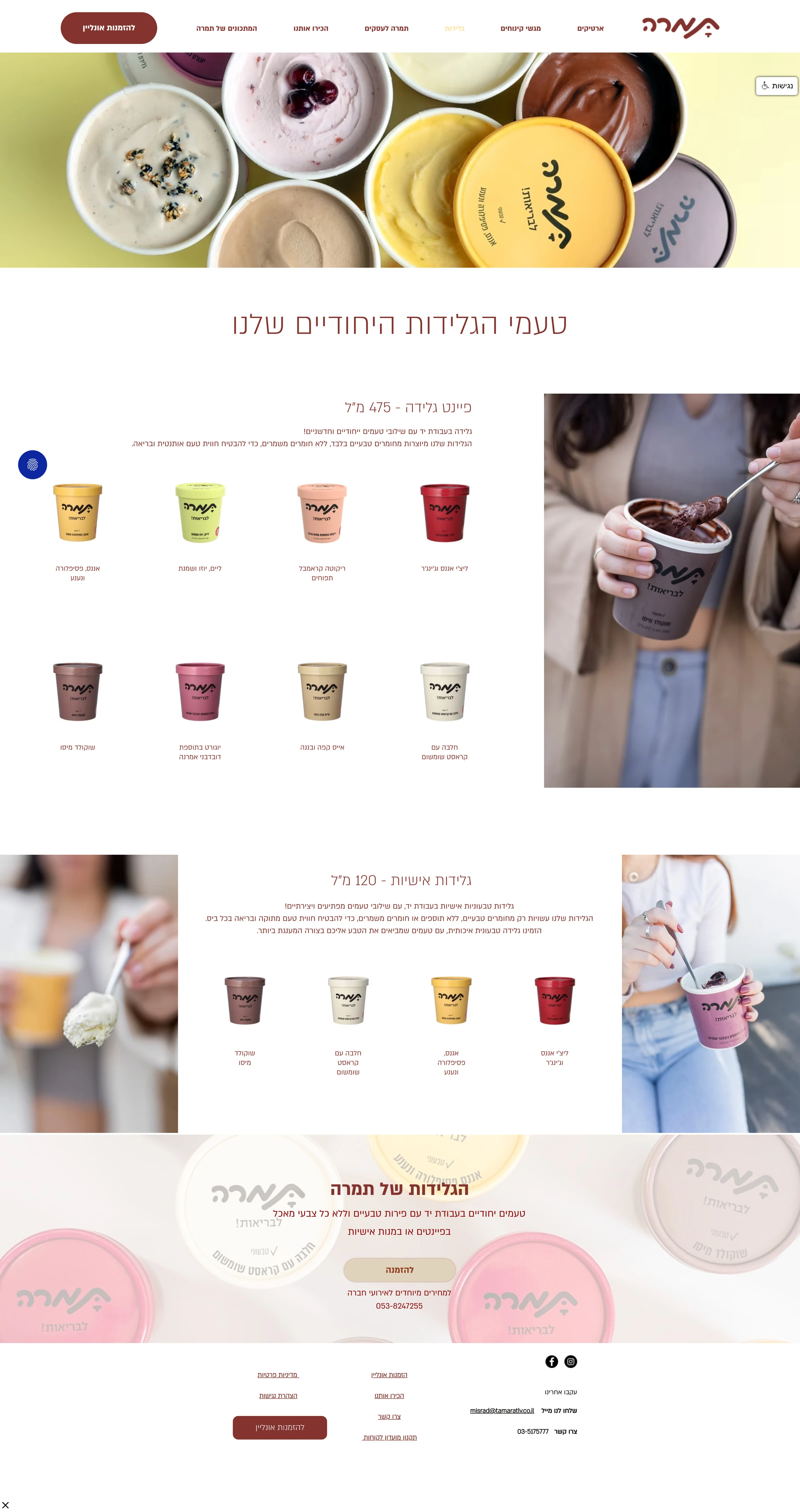
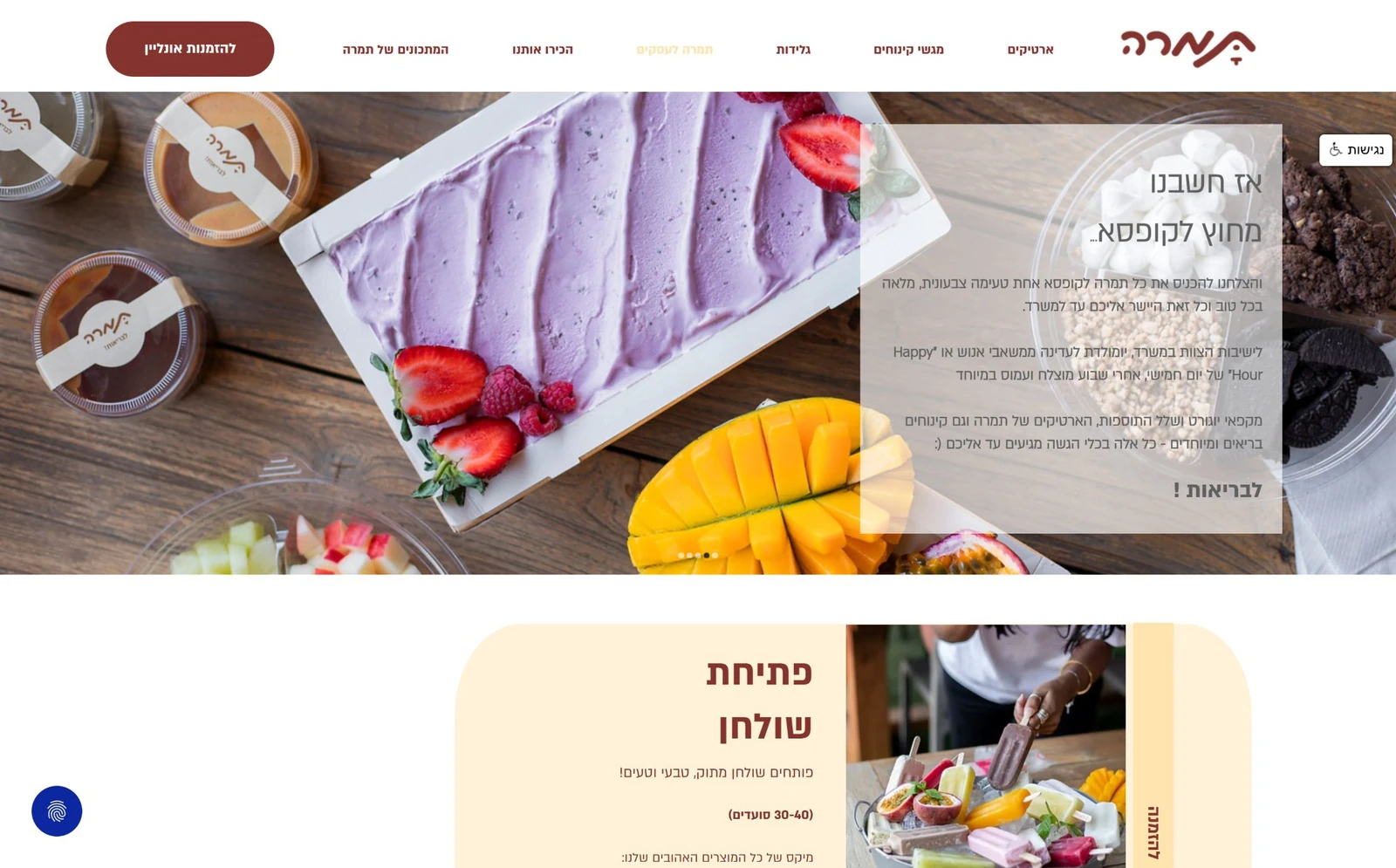
Tamara website

An end-to-end redesign and rollout of Tamara’s e-commerce platform, optimized for high-volume corporate clients (B2B) and increased average order value (AOV).

Role

Full Project Ownership (Solo Initiative)
Data research, UX/UI design, content strategy, and deployment on Wix.

Platform

Responsive Web (Desktop-first approach).

Tools & Methods

Wix, sales data analysis, user interviews.

The Challenge & Opportunity

Tamara has a strong brand identity across its physical locations, but its digital storefront underperformed. Recognizing the gap between client demand and the online experience, I initiated this project outside my original scope, leading it from discovery to launch.

Core Friction Points

Misaligned with primary revenue drivers

Office managers and corporate clients placed the largest orders, yet encountered an interface that did not support bulk purchasing.

Operational bottlenecks

The lack of clarity forced clients to call customer support to complete orders, creating high staff workload and limiting sales capacity.

Physical to digital disconnect

An outdated catalog, ambiguous packaging sizes, and sterile packshots failed to communicate product scale and quality.

Research & Insights

To ground decisions in data, I analyzed past sales records and customer support inquiries around three core questions: Who drives our primary revenue? What consumes the most operational time? How do clients currently attempt to buy in bulk?

01

Corporate orders happen on desktop

While e-commerce typically prioritizes mobile, data showed that our highest-value orders were made by office managers at their desks during work hours. A functional desktop layout was essential for bulk selection.

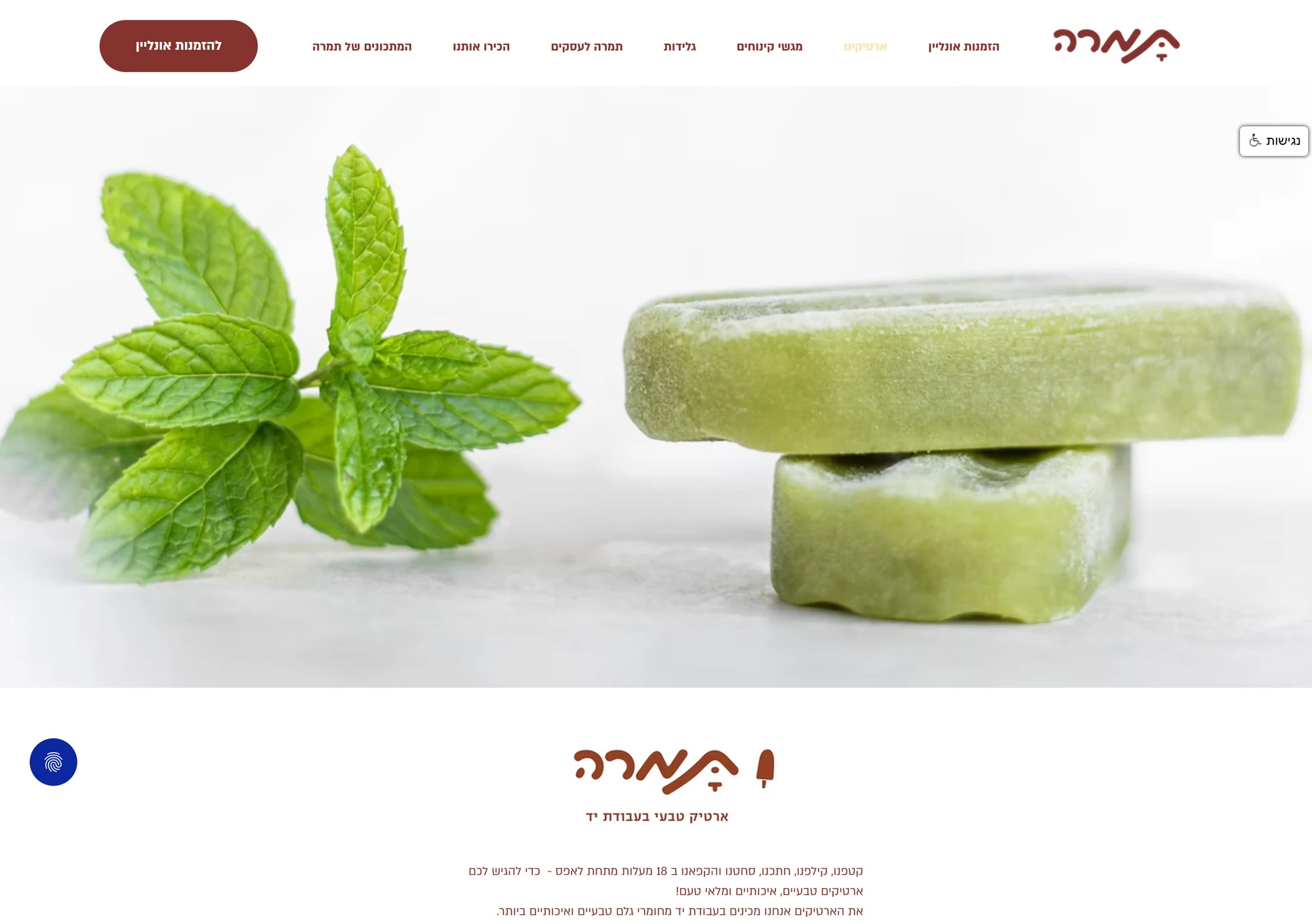
Tamara desktop site
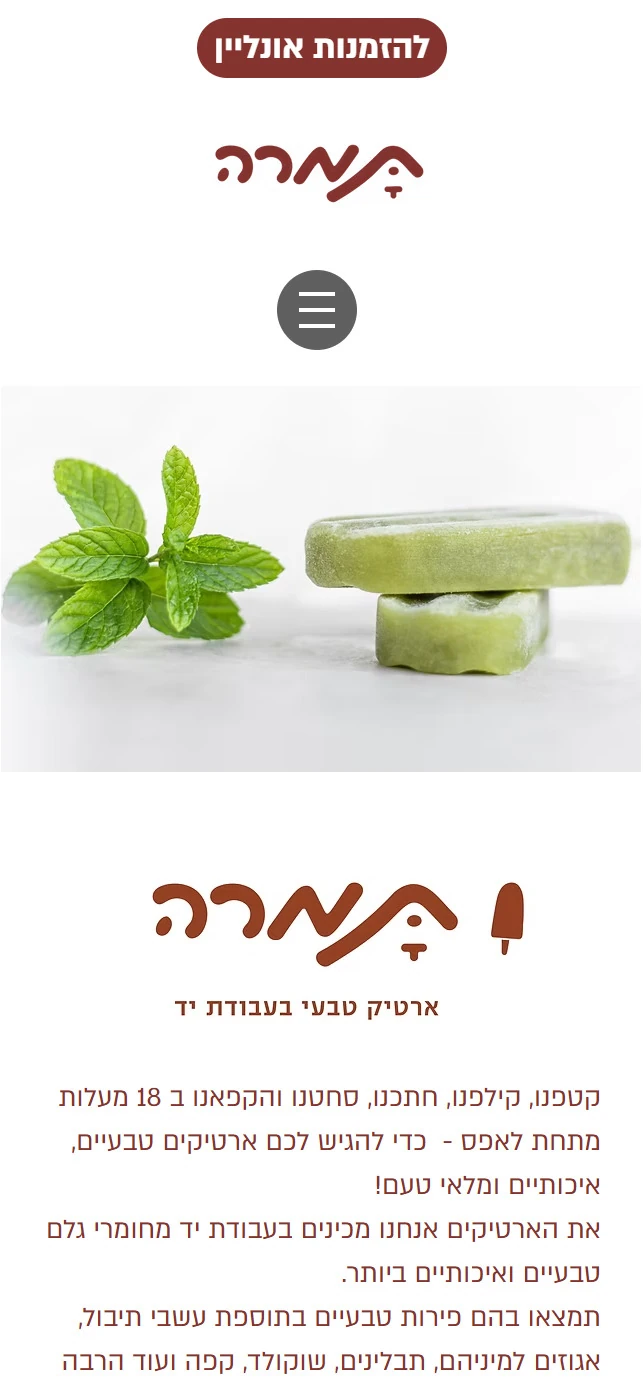
Tamara mobile site
02

Shipping constraints dictate bundle sizing

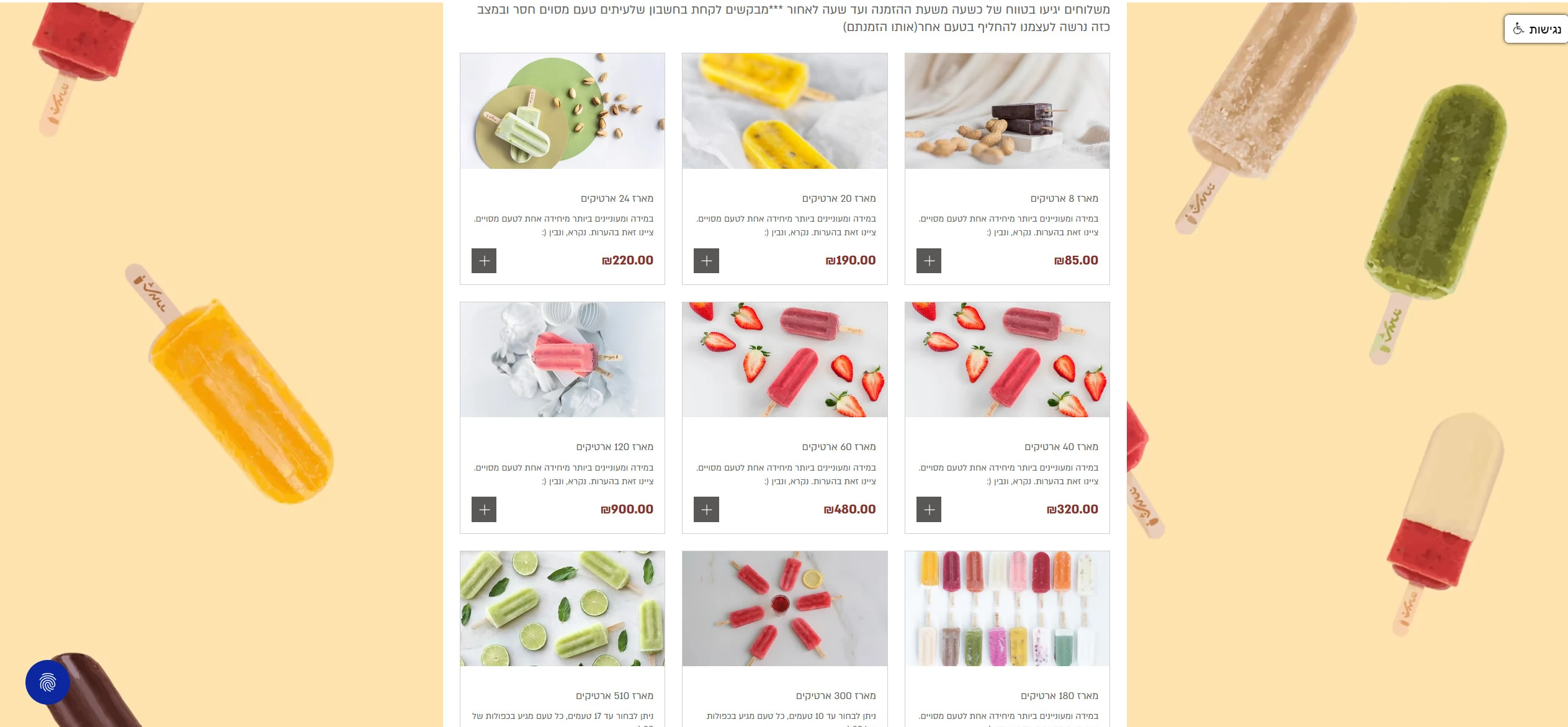
Refrigerated truck deliveries were slow and expensive. Aligning bundle volumes to fit standard scooter-friendly insulated boxes enabled fast, on-demand delivery at a fraction of the cost.

Tamara bundle selection page
03

Shifting to true self-service

The ordering path needed to be clear and self-contained so clients could configure, review, and finalize corporate orders without human intervention from our team.

The Solution & Architecture

Menu structure

Menu Structure & Corporate Packages

The menu was reorganized around the most popular items, and a dedicated page was created for corporate orders, offering curated packages and deals tailored for office events.

Product page

Product Page Optimization for Higher AOV

The product page was redesigned to let customers easily choose pre-set pack sizes rather than selecting single items. These quantities were sized specifically to fit our scooter courier boxes, making ordering straightforward and delivery faster.

Editorial content hub

Editorial Content Hub (SEO)

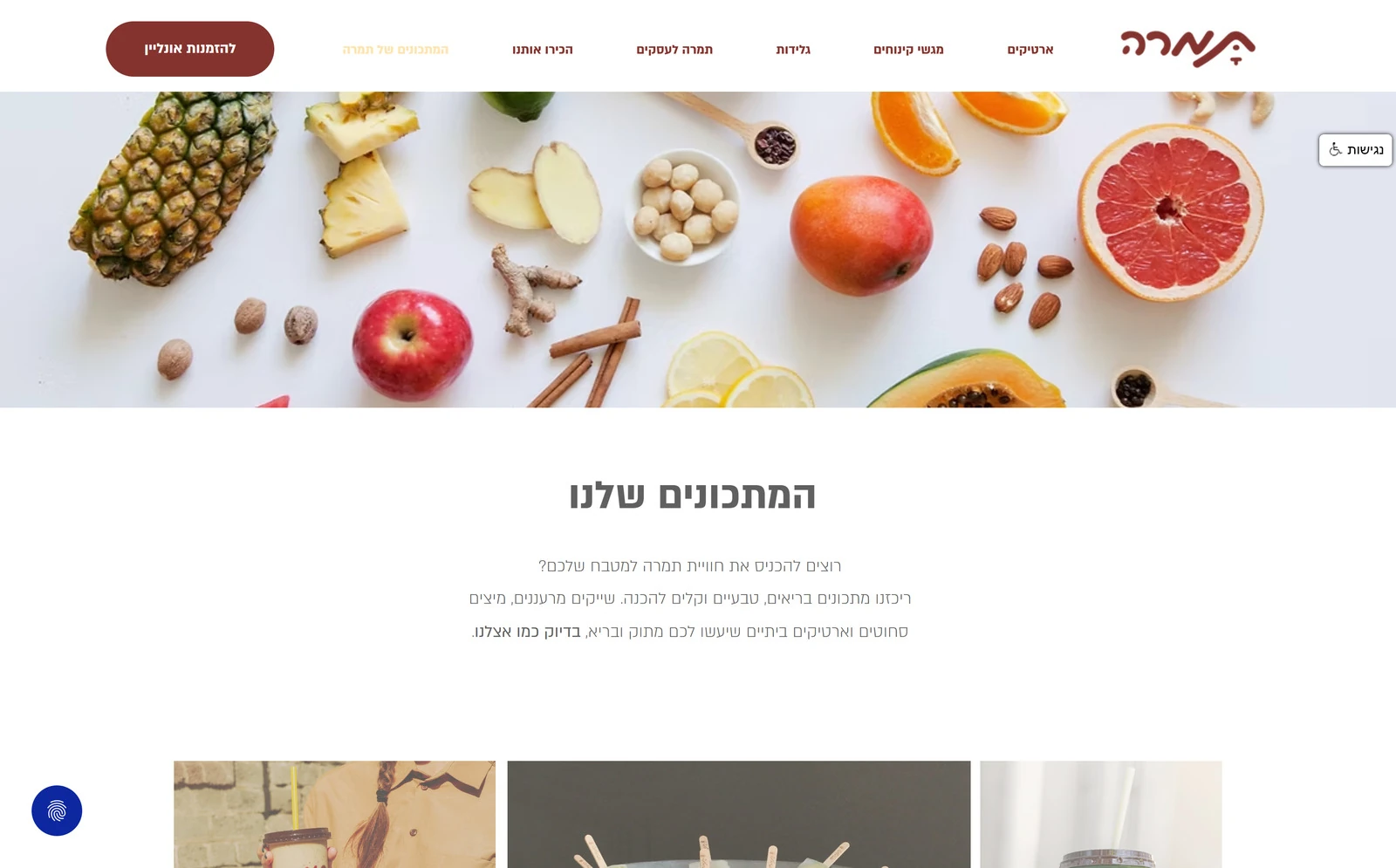
A lifestyle magazine was introduced, featuring a healthy recipes section, to boost search visibility and position the brand beyond a purely transactional store.

Brand aesthetic

Elevating the Brand Aesthetic

The site’s visual layout was rebuilt using Tamara’s existing brand fonts and color palette. The new design creates a clean, modern feel - delivering an understated, premium aesthetic that still feels warm and accessible.

Beyond the Screen: Connecting the Physical Touchpoints

Since a digital order leads to a physical product, I also looked at the tangible touchpoints across the entire ordering cycle.

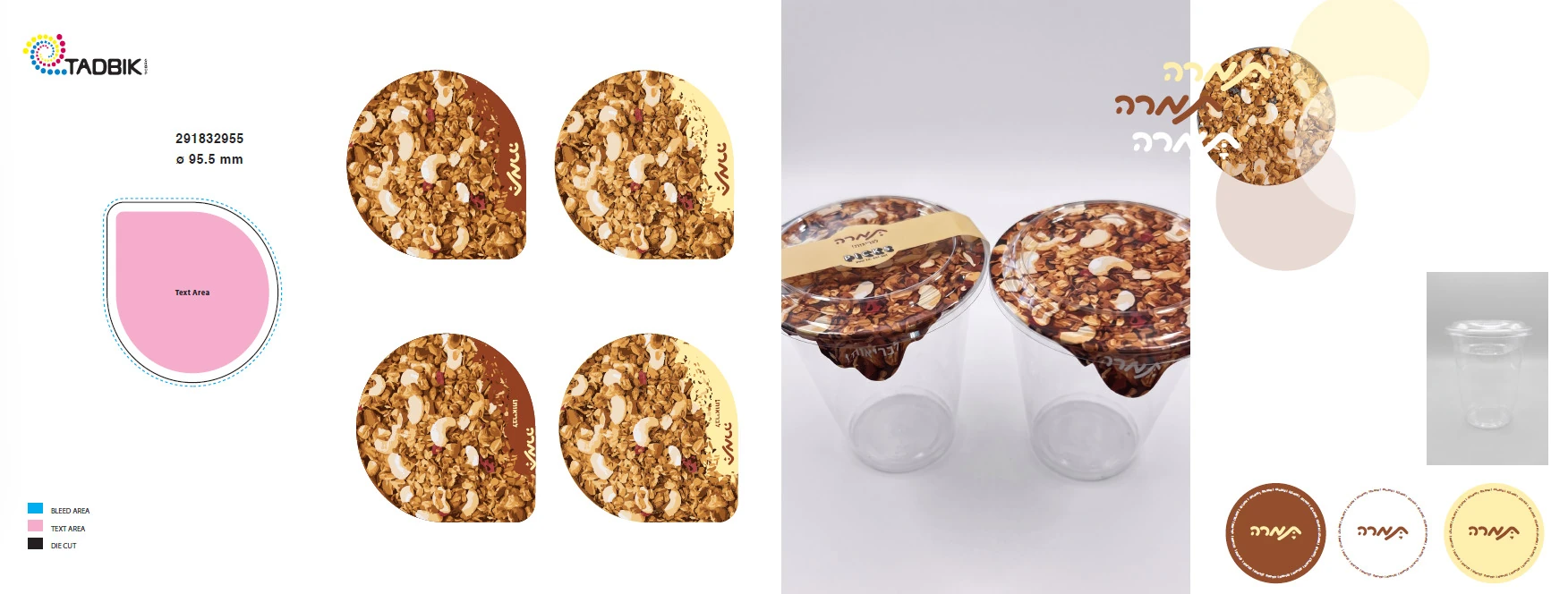
Tamara packaging

Packaging

Addressing customer feedback regarding transit damage, I partnered with the plant manager to explore alternative packaging. While budget and machinery limits kept structural changes at the prototype stage, the process refined how orders were packed and dispatched.

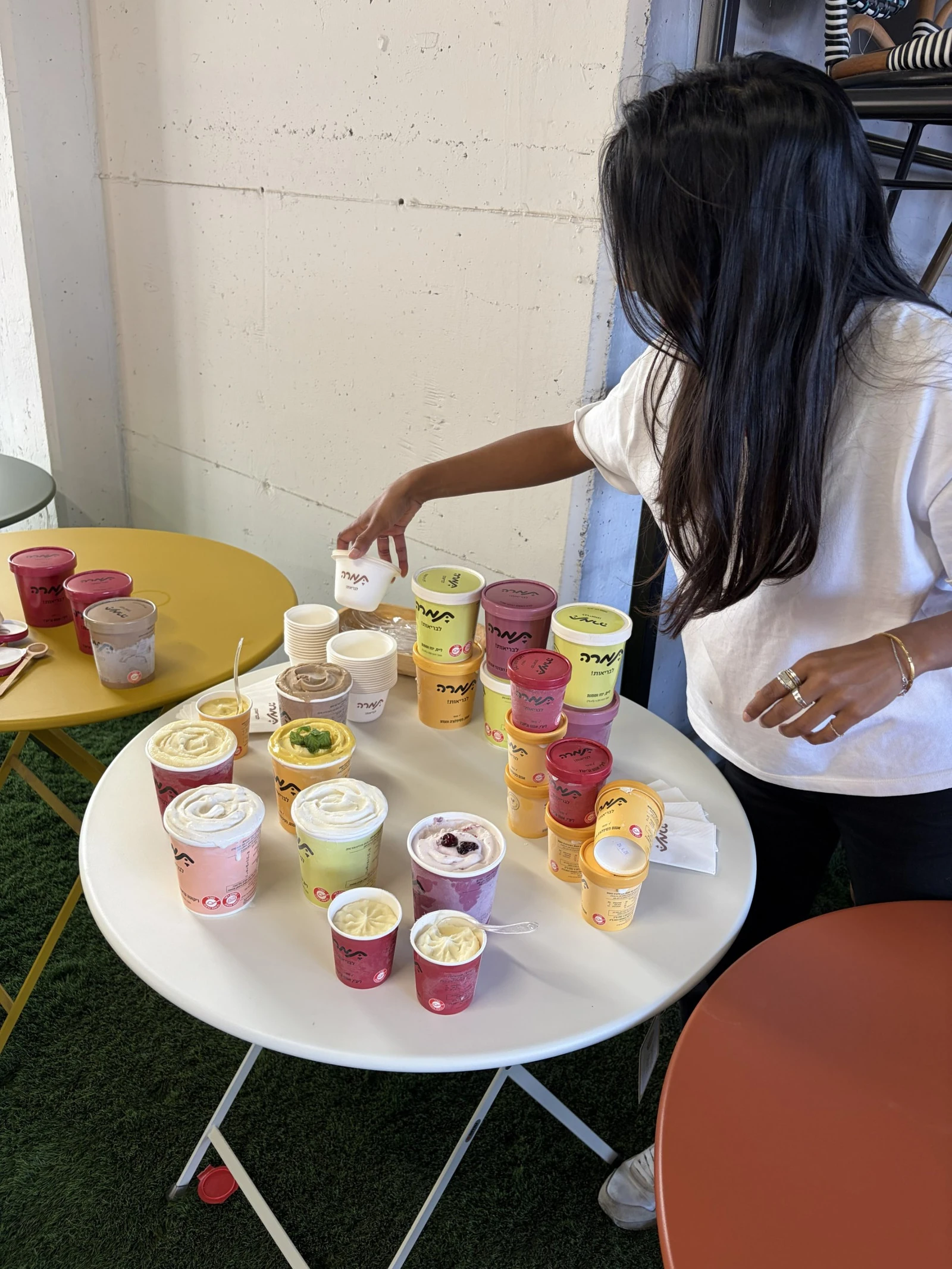
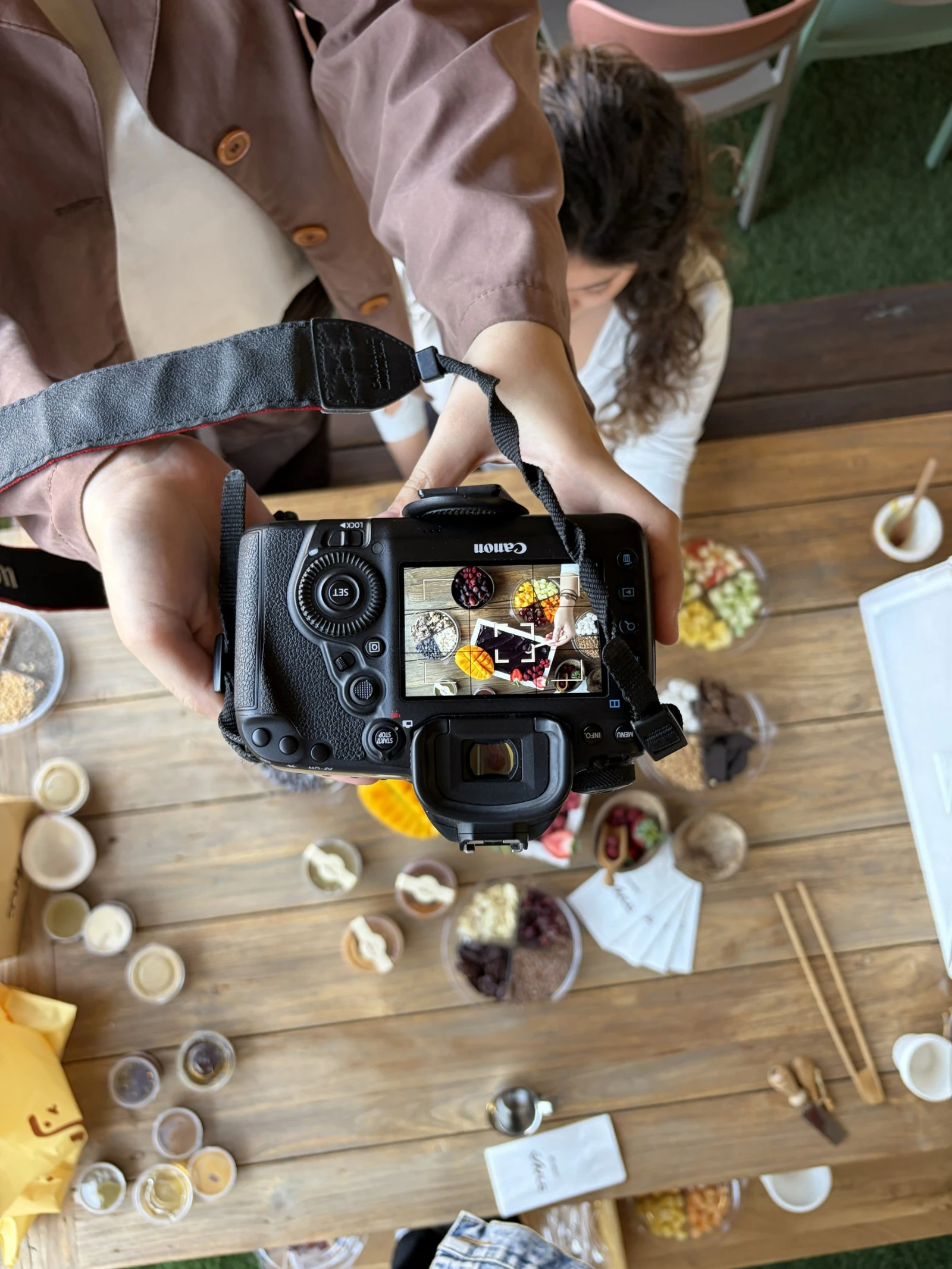
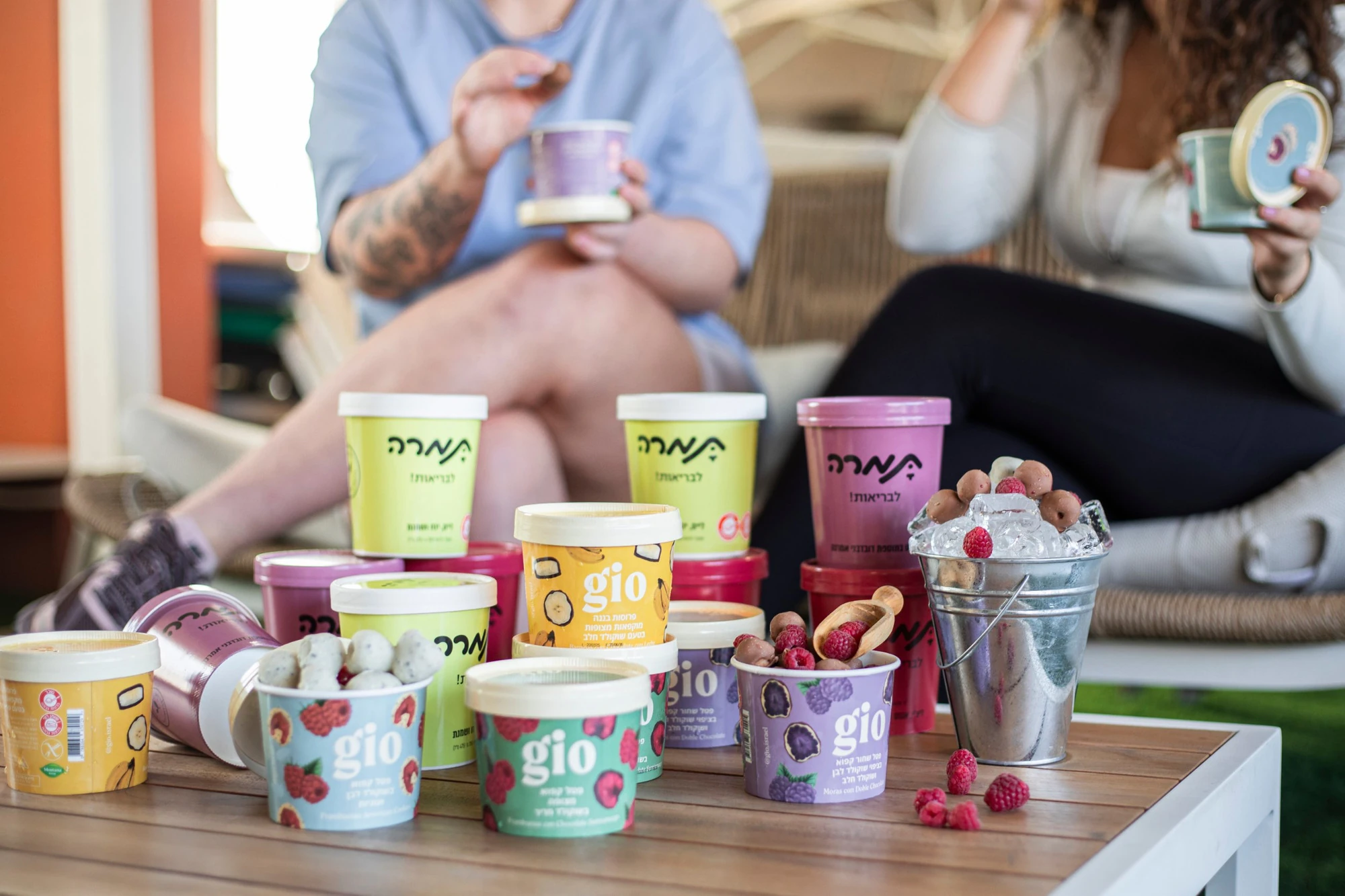
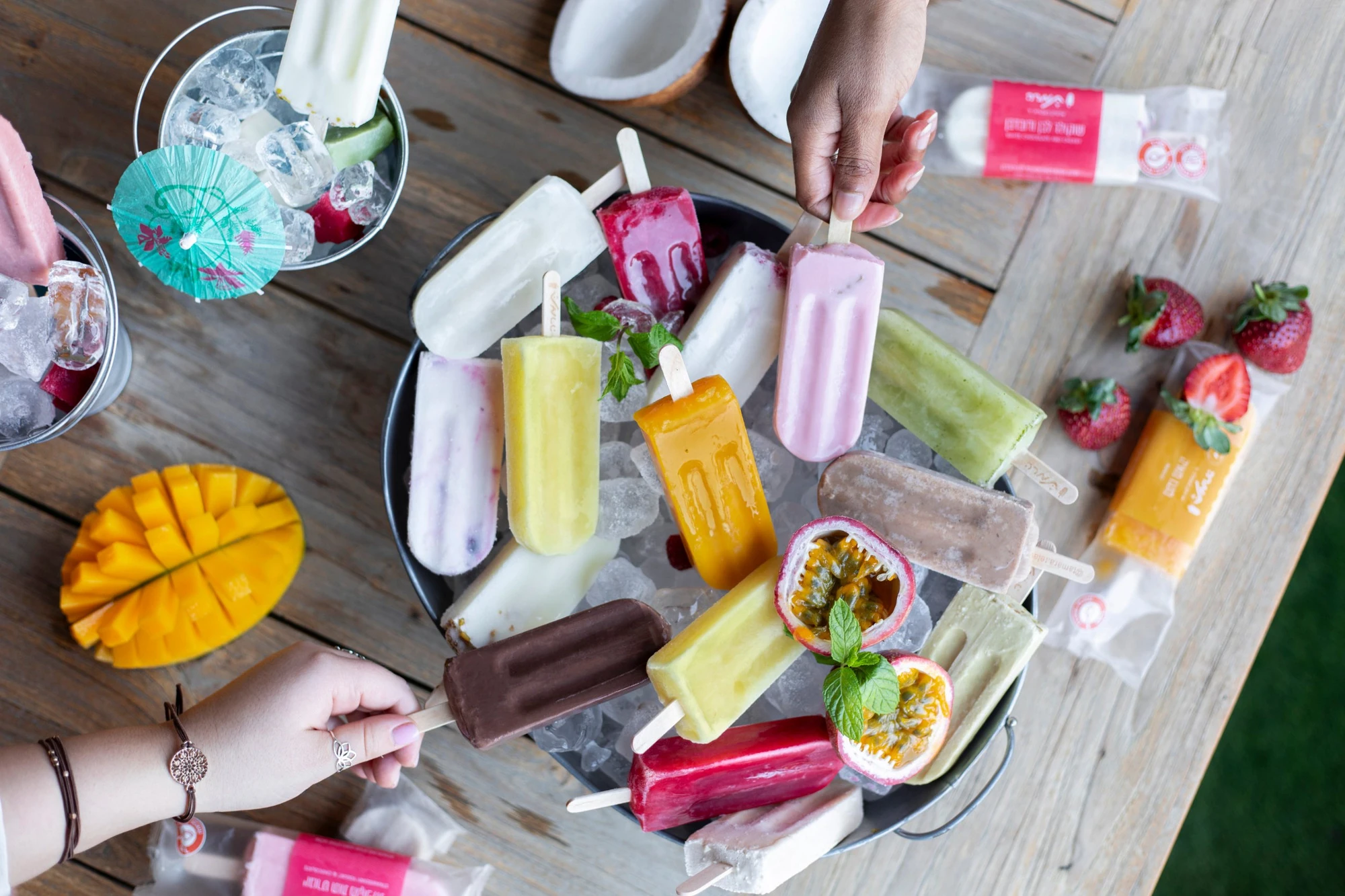
Packing and tasting table Photoshoot behind the scenes Styled Tamara and Gio products Styled Tamara popsicles

In-House Shoot Production

The existing studio packshots felt clinical and failed to convey any real experience, appetite, or emotional connection for the customer. On a minimal budget, I produced and styled a photoshoot from scratch: mapping the shot list directly to the new website layouts, sourcing props, and directing the food styling to create an authentic visual library.

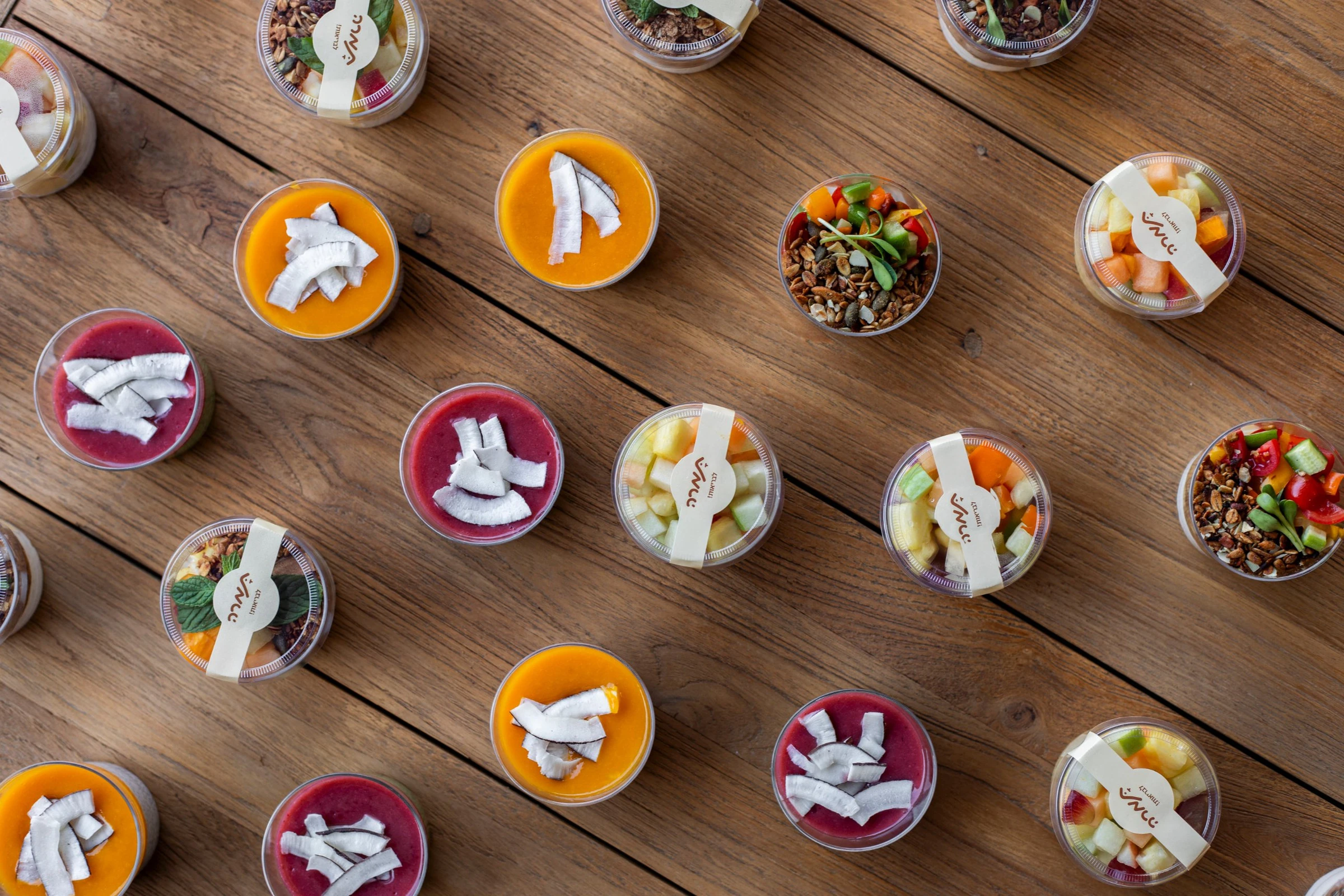
Tamara dessert cups
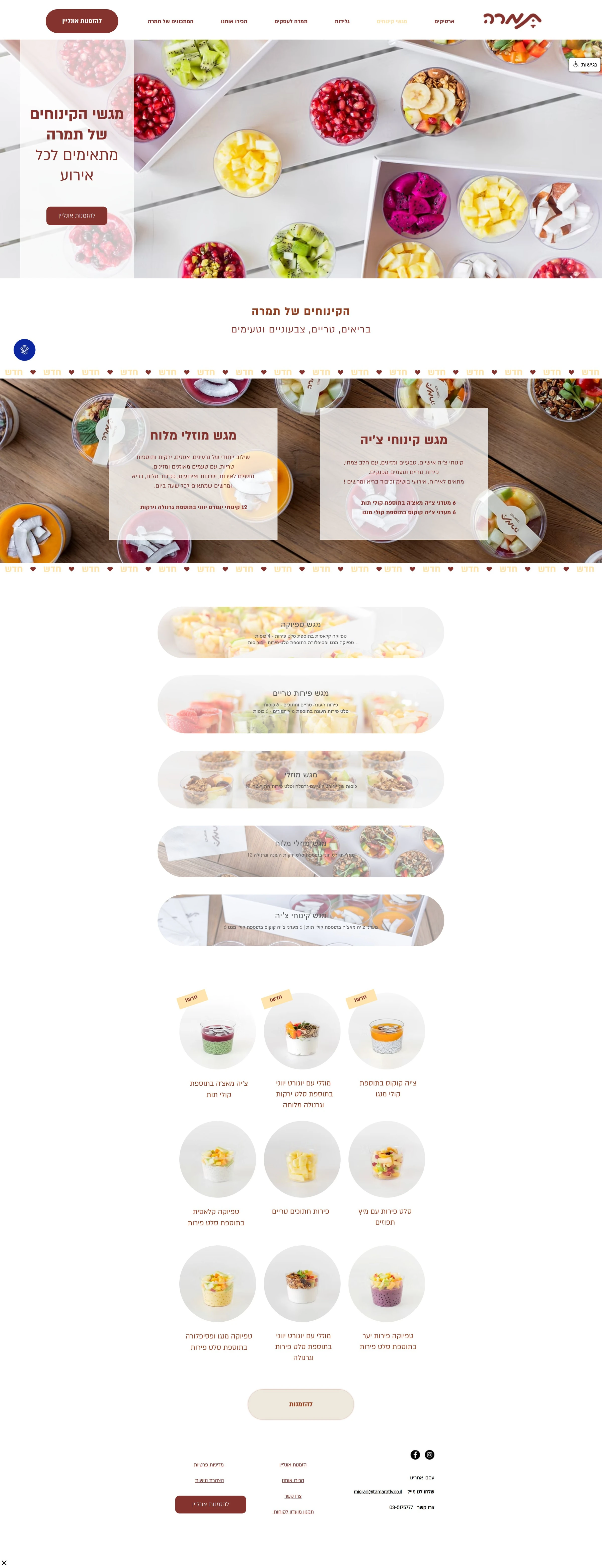
Tamara website

Expanding the Dessert Menu

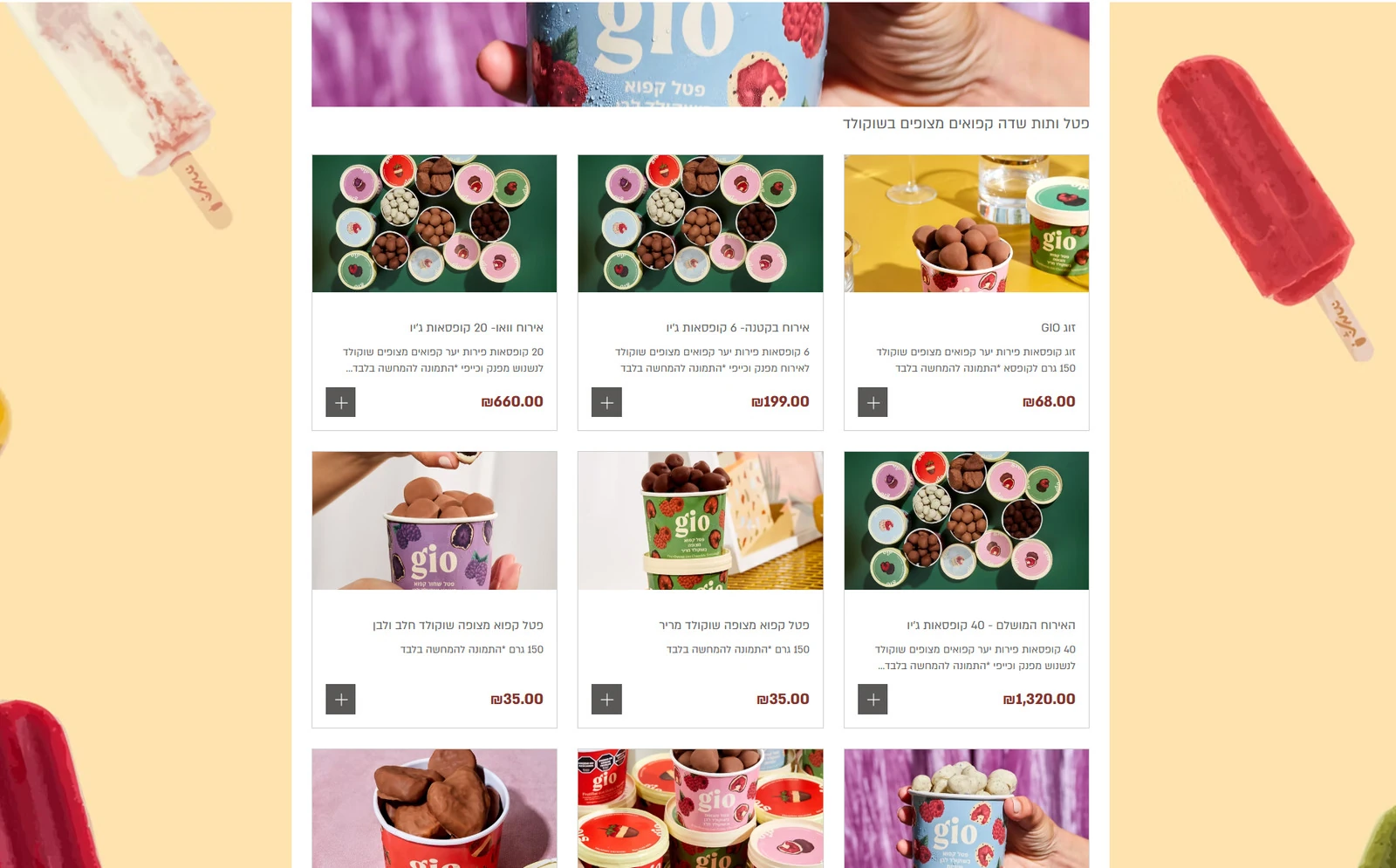
Recognizing strong demand around office gatherings and holidays (such as Valentine’s Day and Tu BiShvat), I pushed to expand our dessert offerings. By looking closely at the factory’s existing raw ingredients and production capabilities, we created tailored holiday packages and new items without introducing complex production requirements.

Impact & Retrospective

Measurable Outcomes

~30% Revenue Increase

Driven by curated corporate bundles, an intuitive desktop purchasing path, and the expansion of the dessert line.

Reduced Operational Overhead

A clear self-service flow significantly reduced phone inquiries, saving labor hours for operational staff and streamlining warehouse packing.

Key Takeaways

Designing for internal operations

Product design serves both sides: the customer placing the order, and the fulfillment staff handling it behind the scenes.

Autonomous execution

Taking a project from initial research to a live, profitable Wix deployment demonstrated the value of self-directed discovery and practical problem-solving under real-world constraints.

Tzirim App - Mobile-Key Anywhere

Tzirim app screen

An advanced digital ecosystem developed for Tzirim, bridging smart day-to-day vehicle control with a dedicated emergency response system.

The platform eliminates hazardous roadside waiting by streamlining driver-to-service communication and optimizing dispatch workflows.

The company name and branding have been altered to protect client confidentiality.

Role

User Research, Market Analysis, UX Architecture & UI Design

Team

Noam Oren & Gal Mordechay

Context

Academic-Industrial Project with “Tzirim”

Platform

Mobile App & In-Car Hardware System

Tools & Methods

Figma

The Challenge & Opportunity

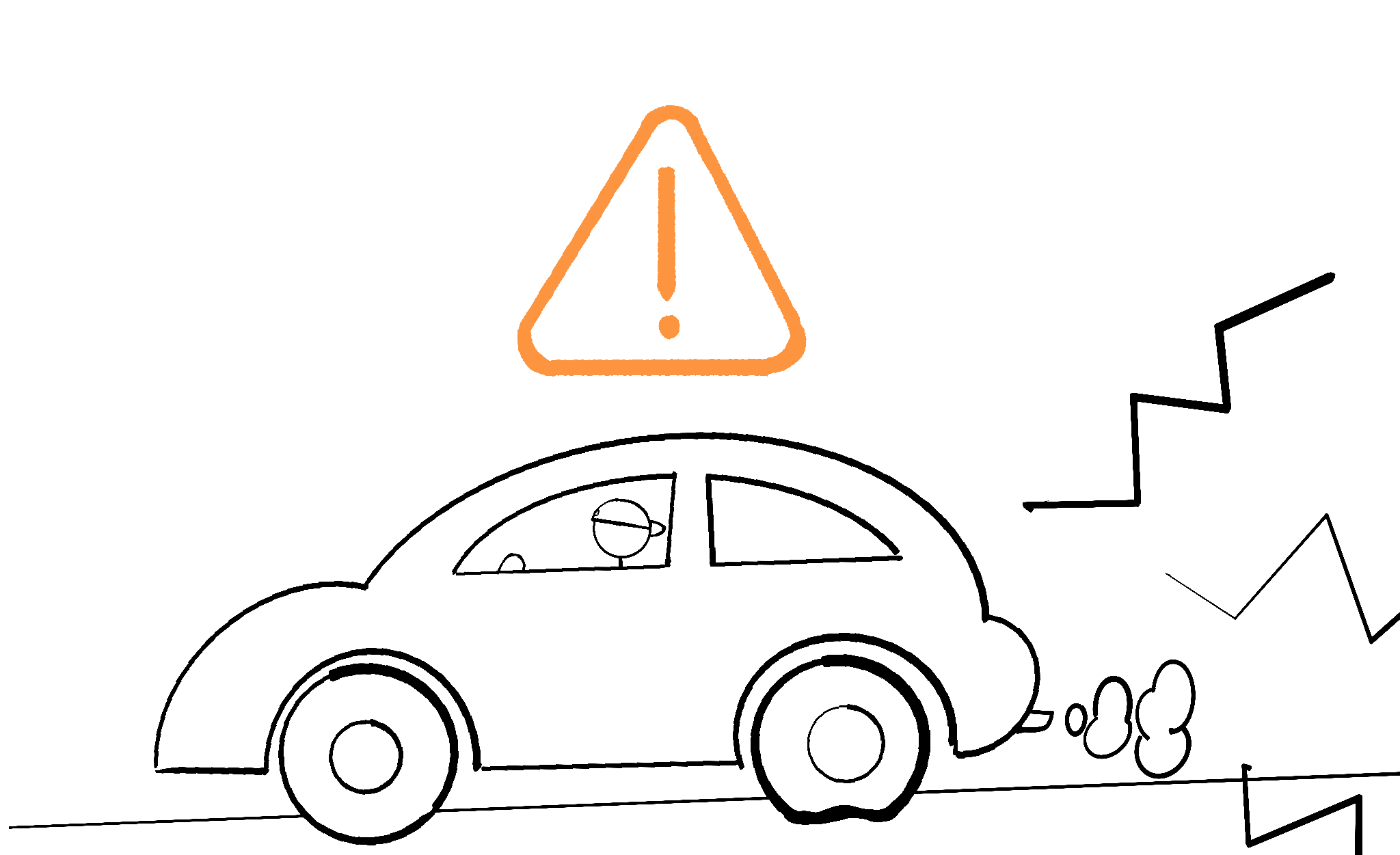
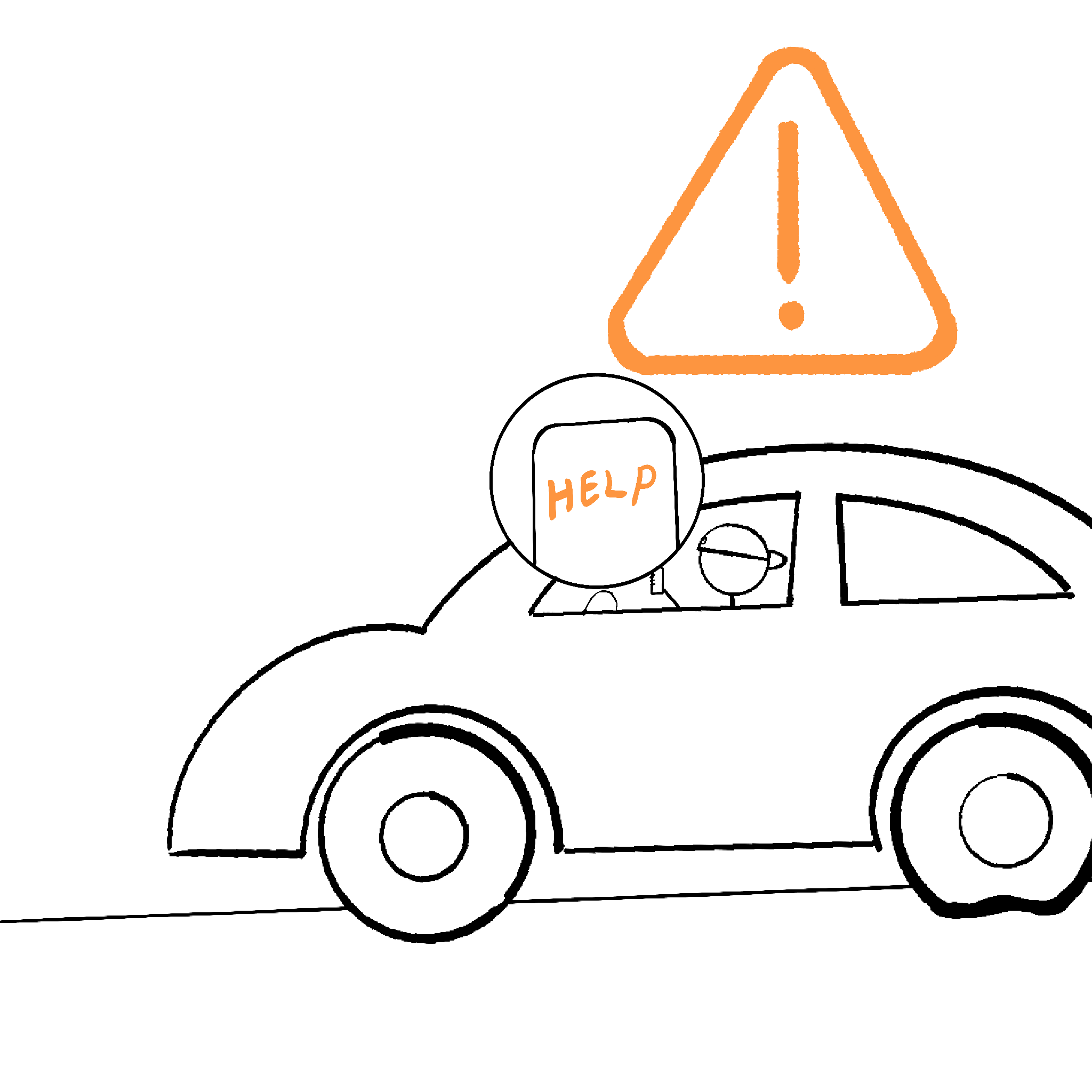
When drivers experience a car breakdown, their daily routine is disrupted, and they are forced to wait for long, stressful hours next to their vehicle.

The opportunity lay in eliminating unnecessary roadside waiting, improving the service experience, and repositioning “Tzirim” as an innovative technology leader in the market.

Research & Insights

Through on-site tours, phone interviews with industry professionals, and analysis of internal service surveys and company data, we uncovered key behavioral and market insights.

01

The Primary Pain Point

Data and customer feedback showed that the single most frequent and distressing complaint was waiting anxiously next to the car on the side of the road.

02

The Insurance Choice Gap

Most drivers are unaware of which towing company is tied to their insurance policy, despite having the freedom to choose their preferred provider.

03

The Competitive Edge

Beyond solving the immediate breakdown, the solution needed to act as a distinct differentiator, giving customers a compelling reason to explicitly demand “Tzirim” from their insurance providers instead of settling for competitors.

Blue Sky Ideation

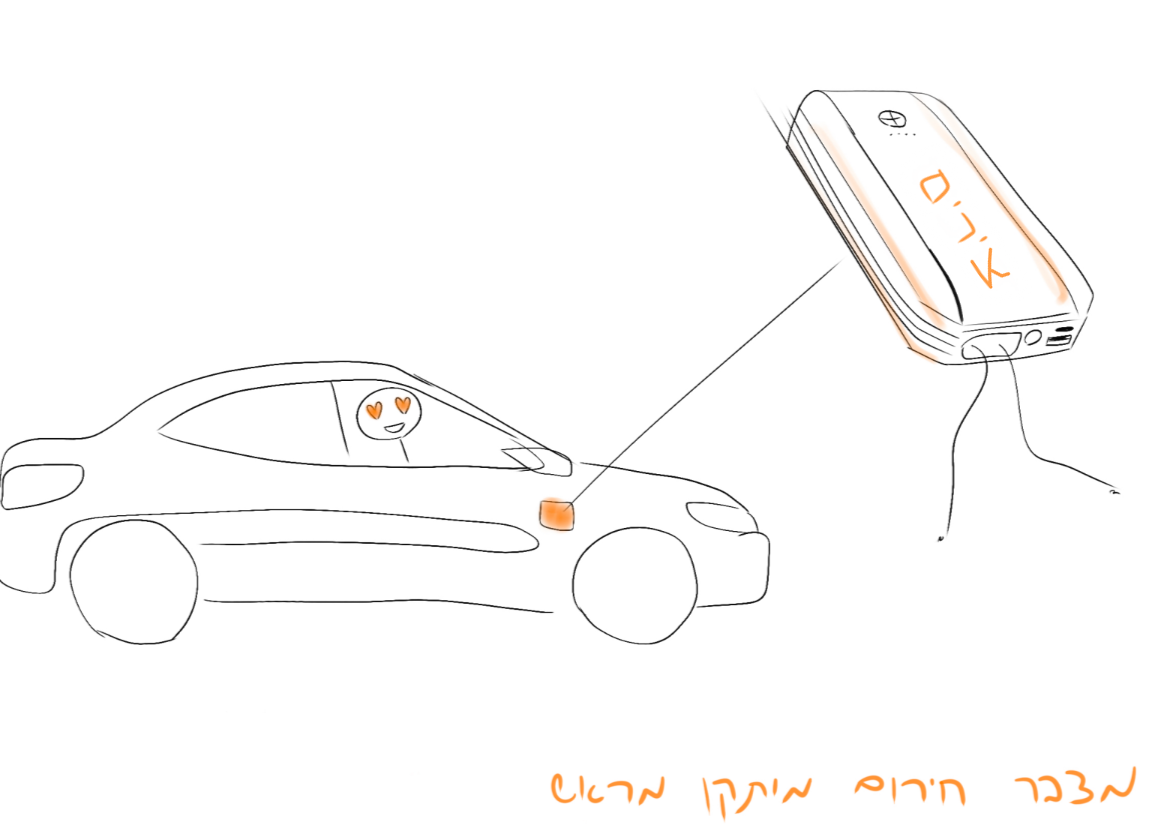
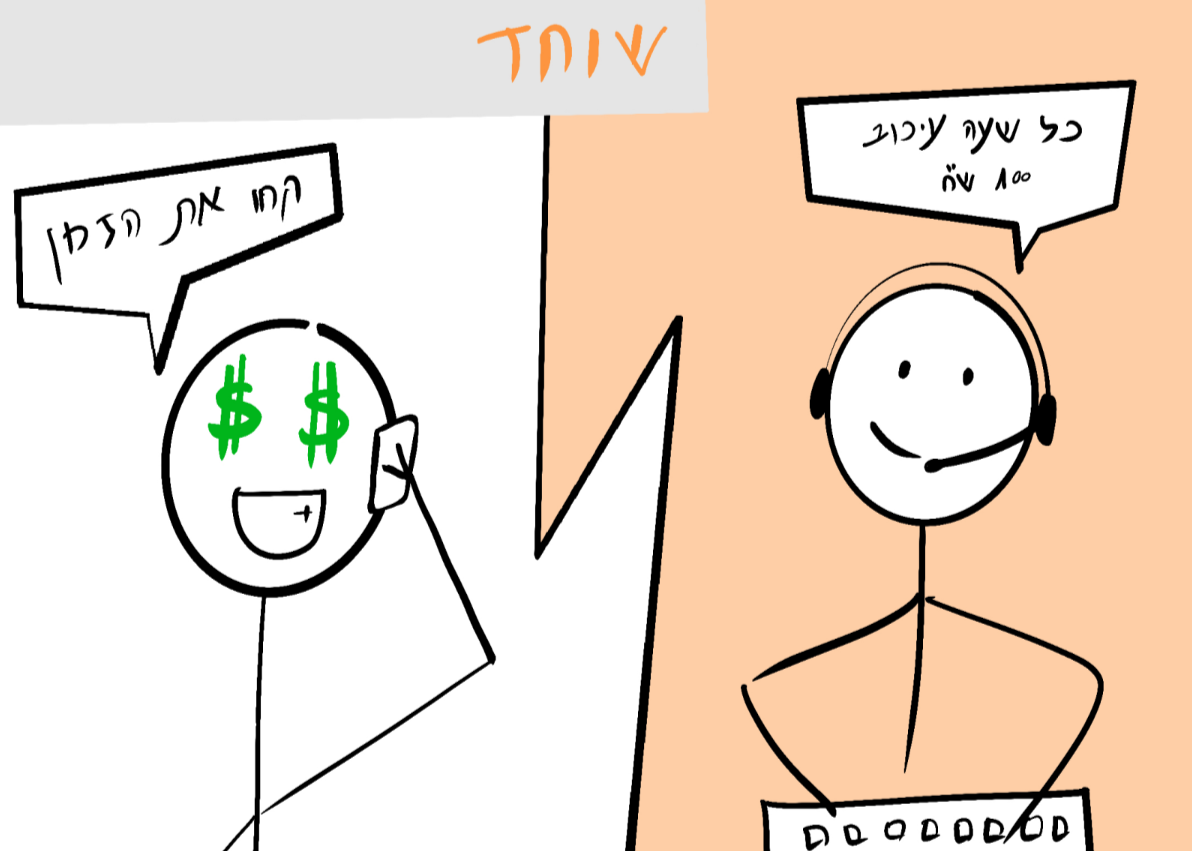
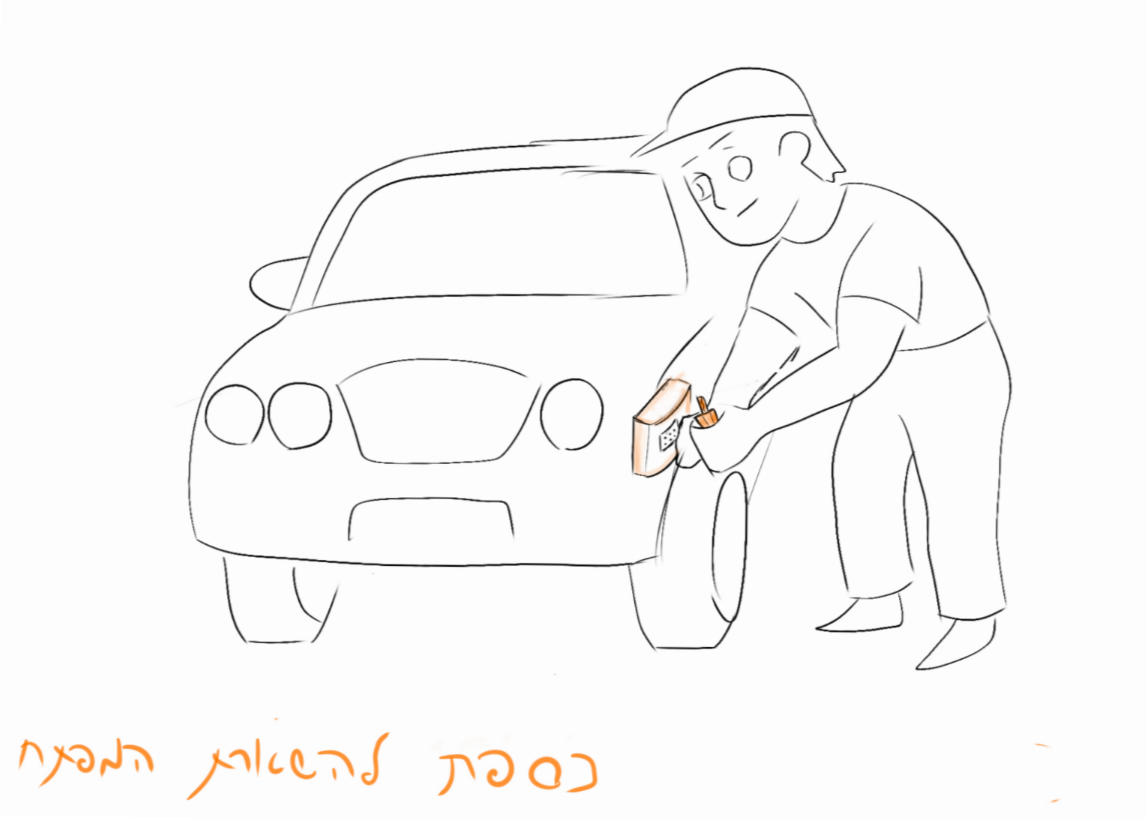
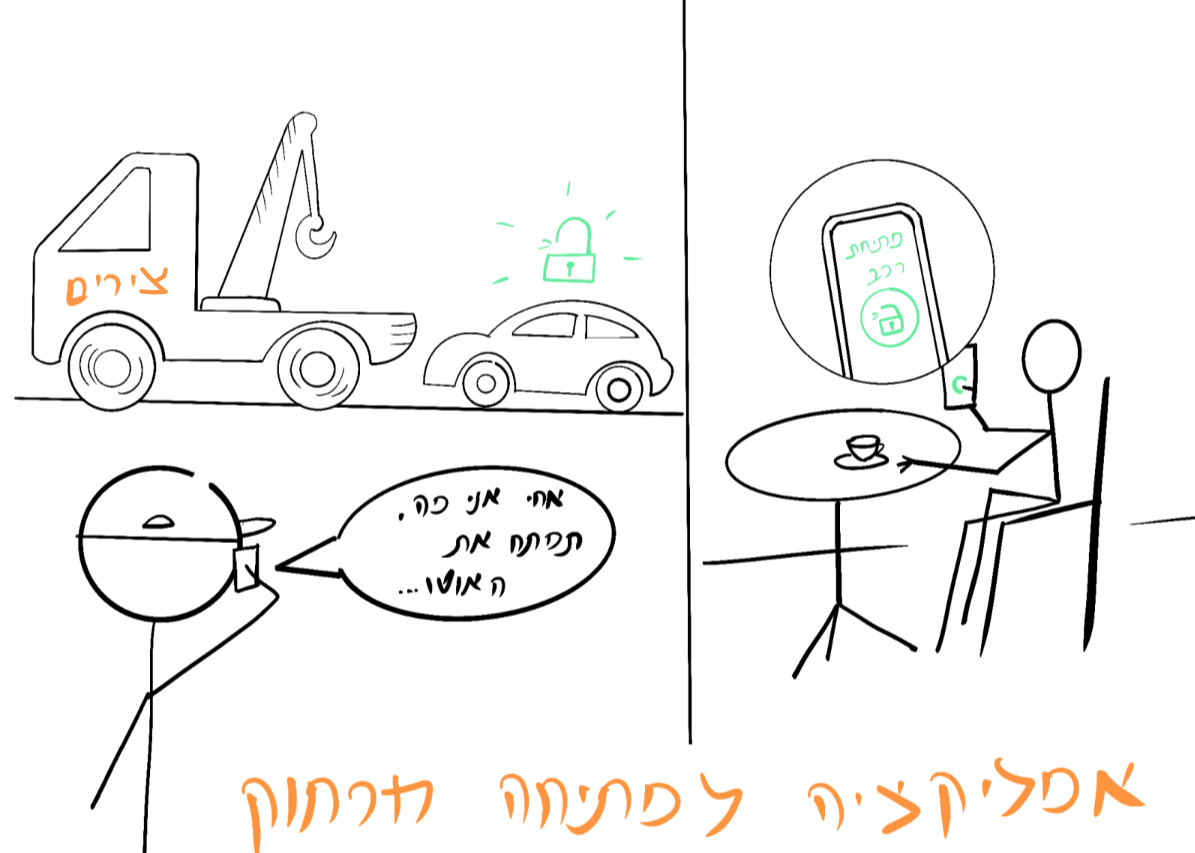
Before narrowing down to our final product architecture, we explored a “Blue Sky” phase. Allowing ourselves to throw out wild, unconventional and humorous ideas to shatter any design fixations and push creativity to the limits.

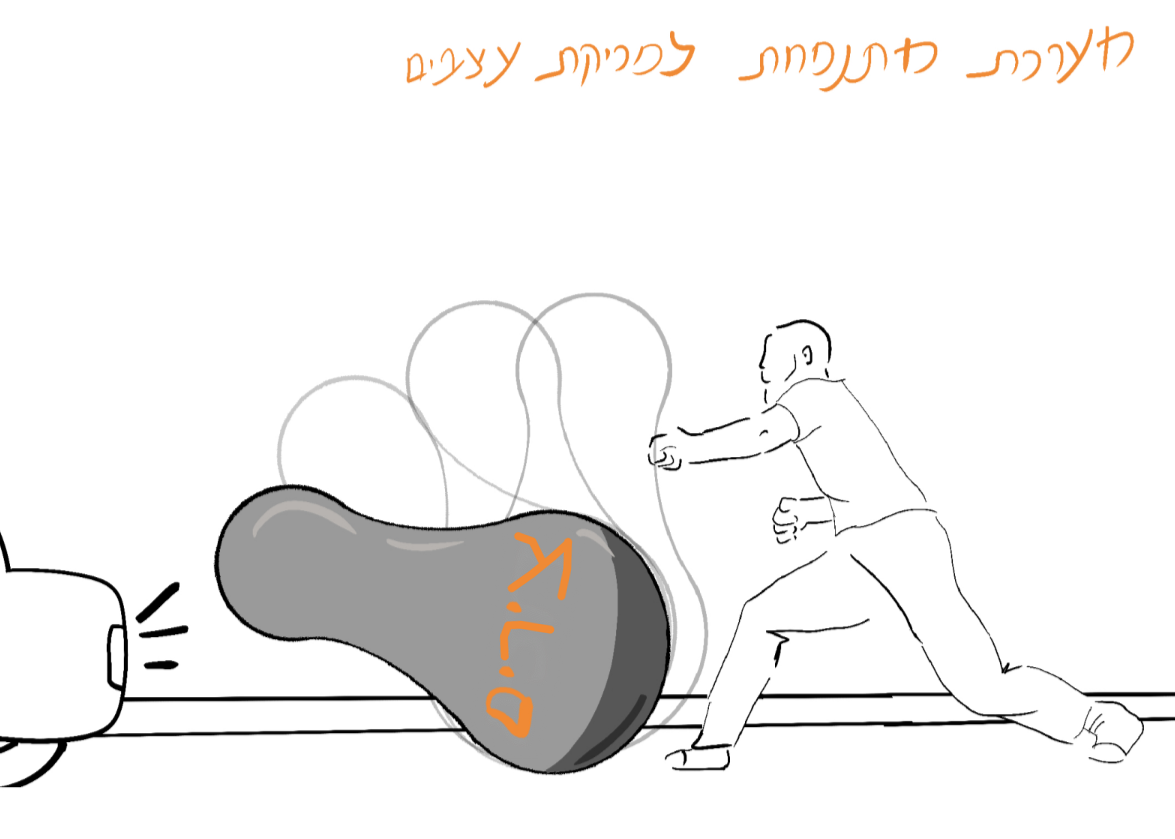
Inflatable system for releasing tension
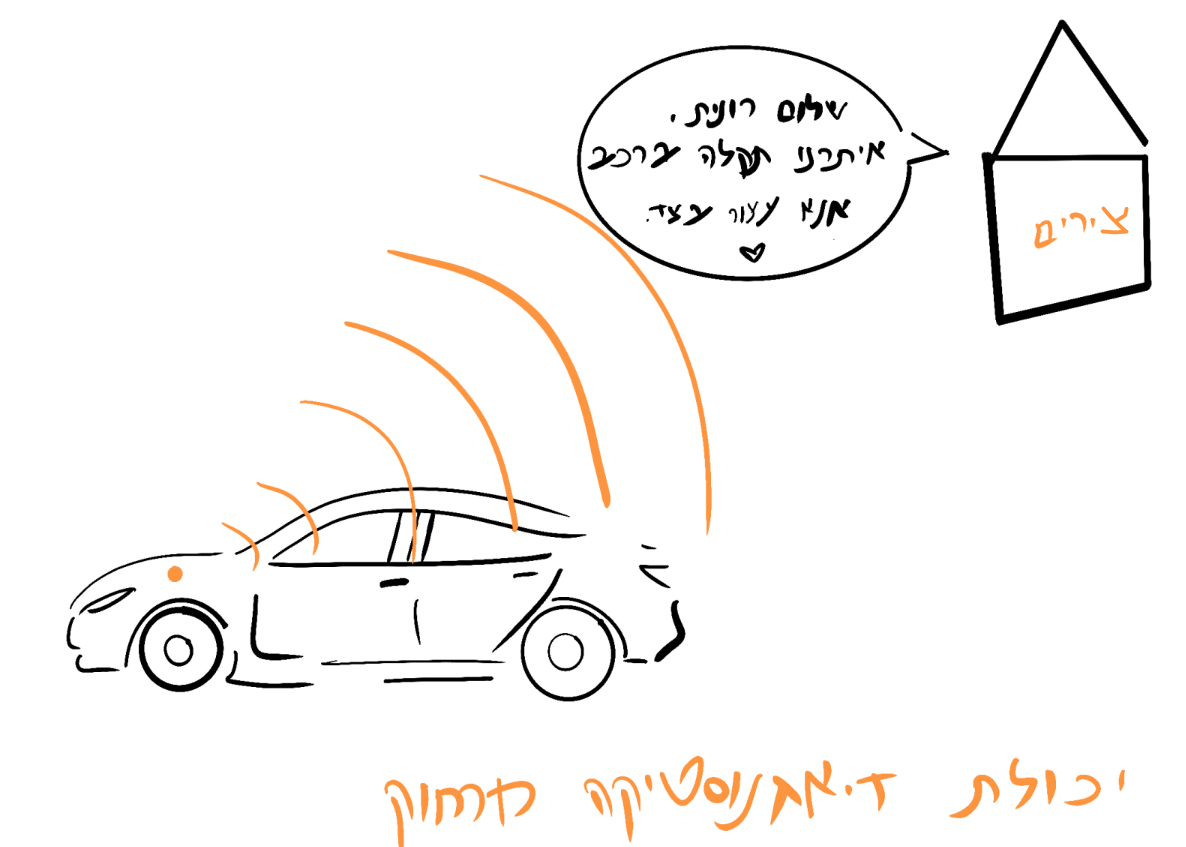
Remote diagnostics
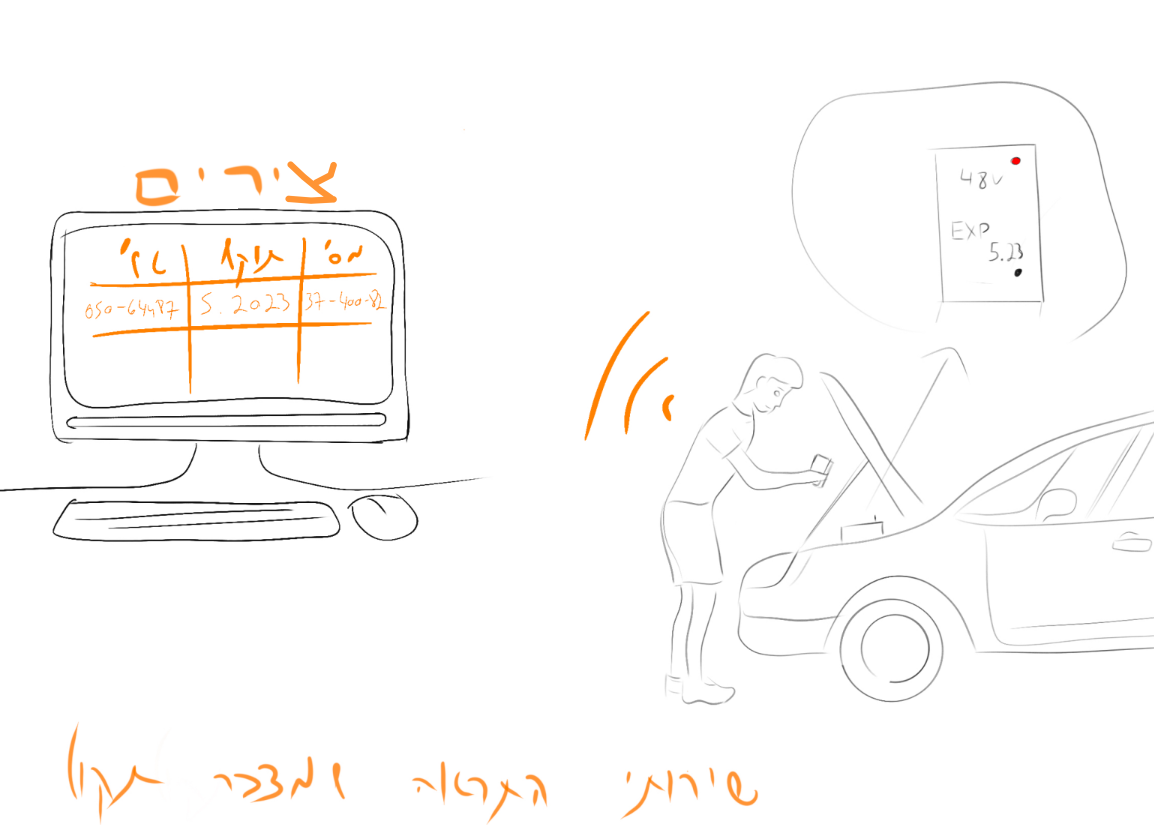
Mechanic and service data
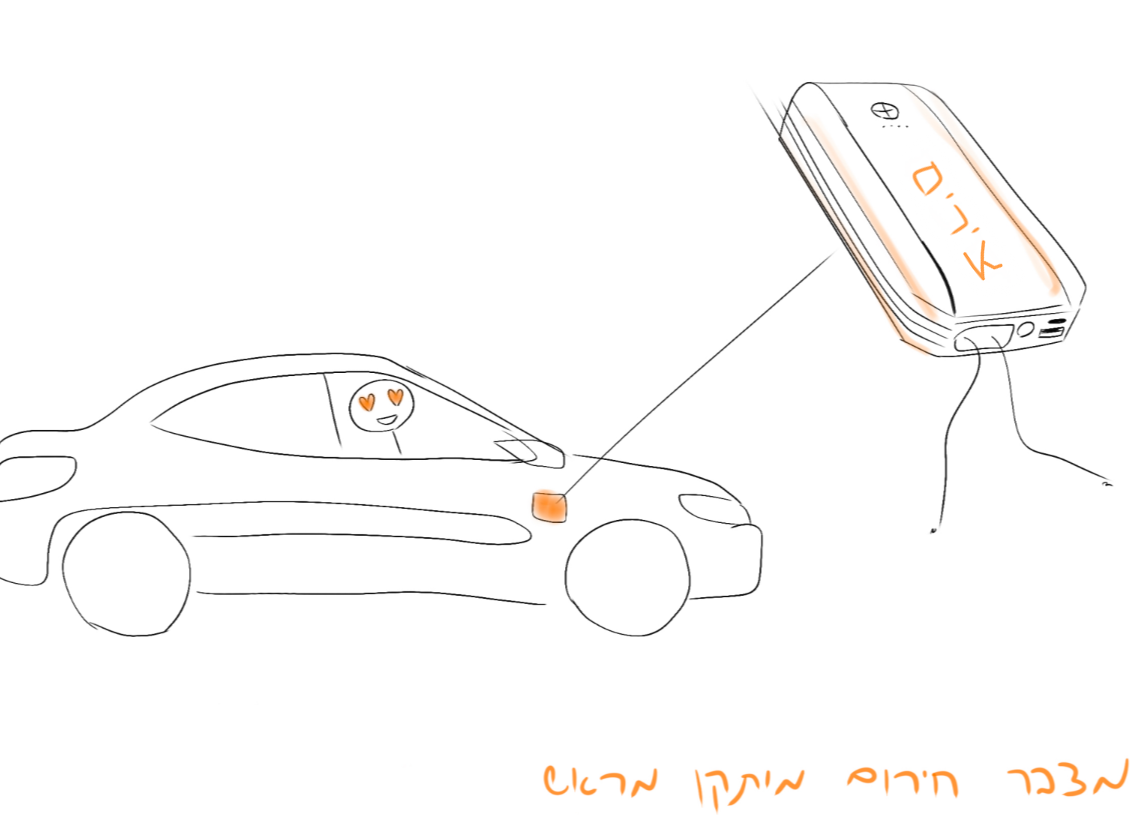
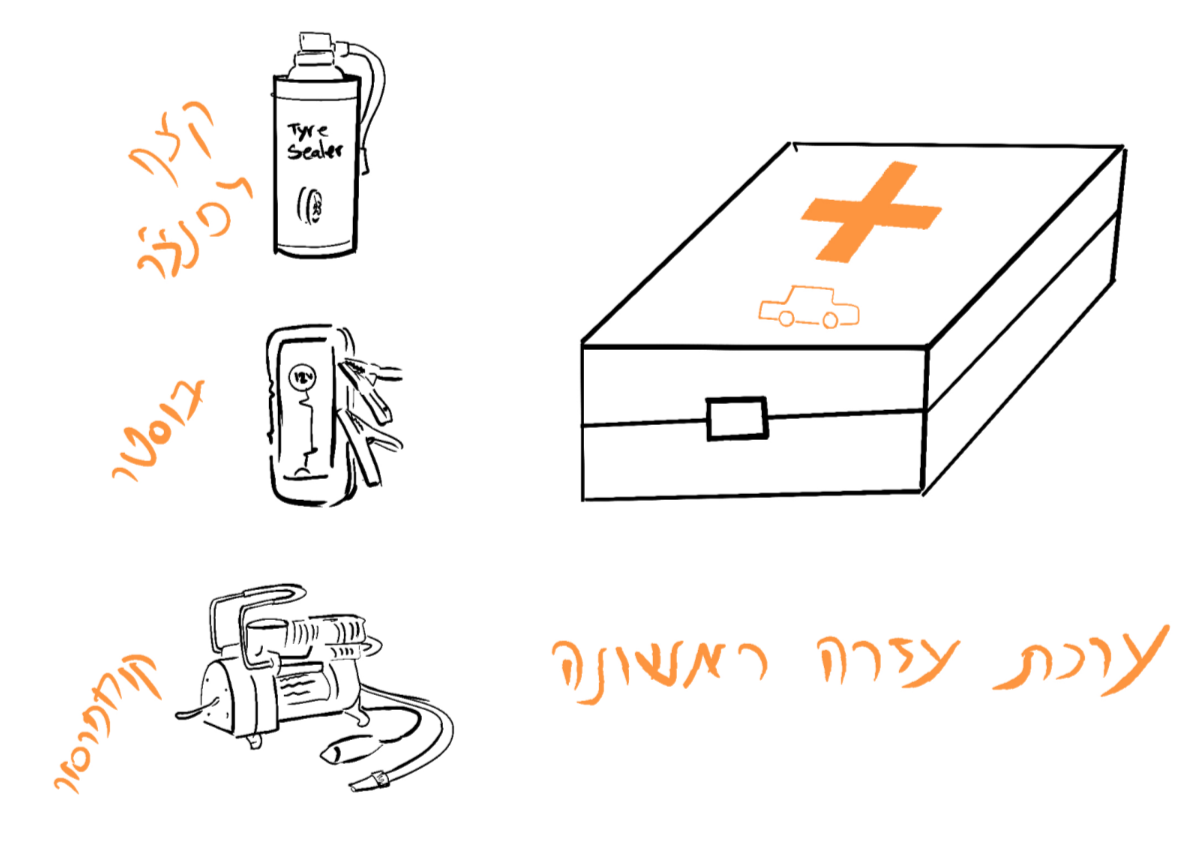
Portable booster
Support call
Key safe attached to the car
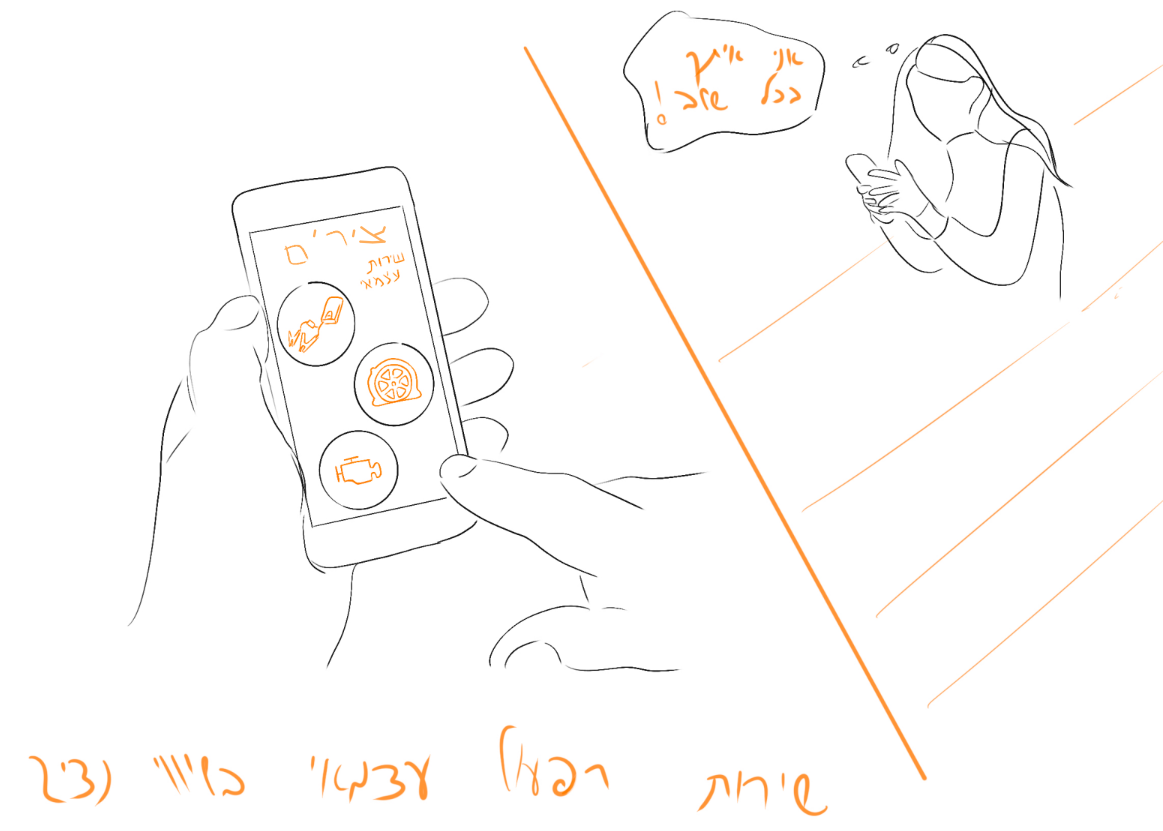
Remote unlock app
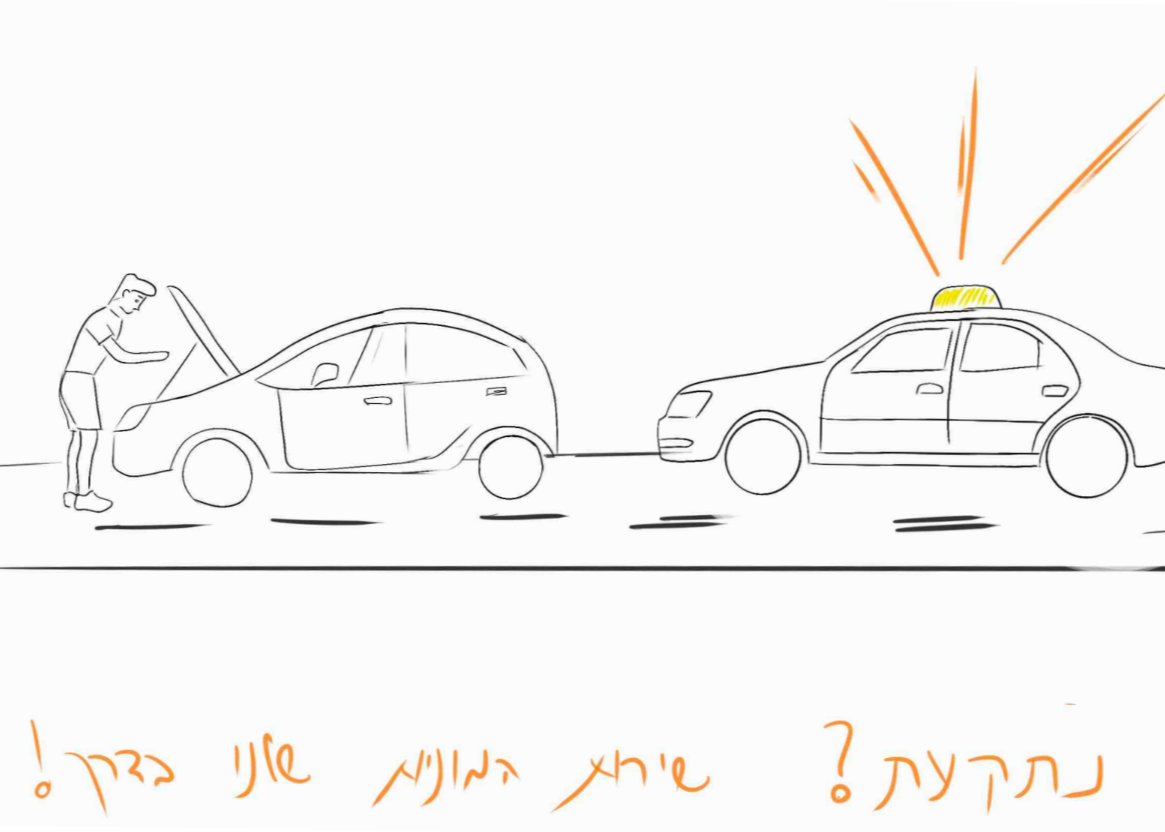
Taxi service
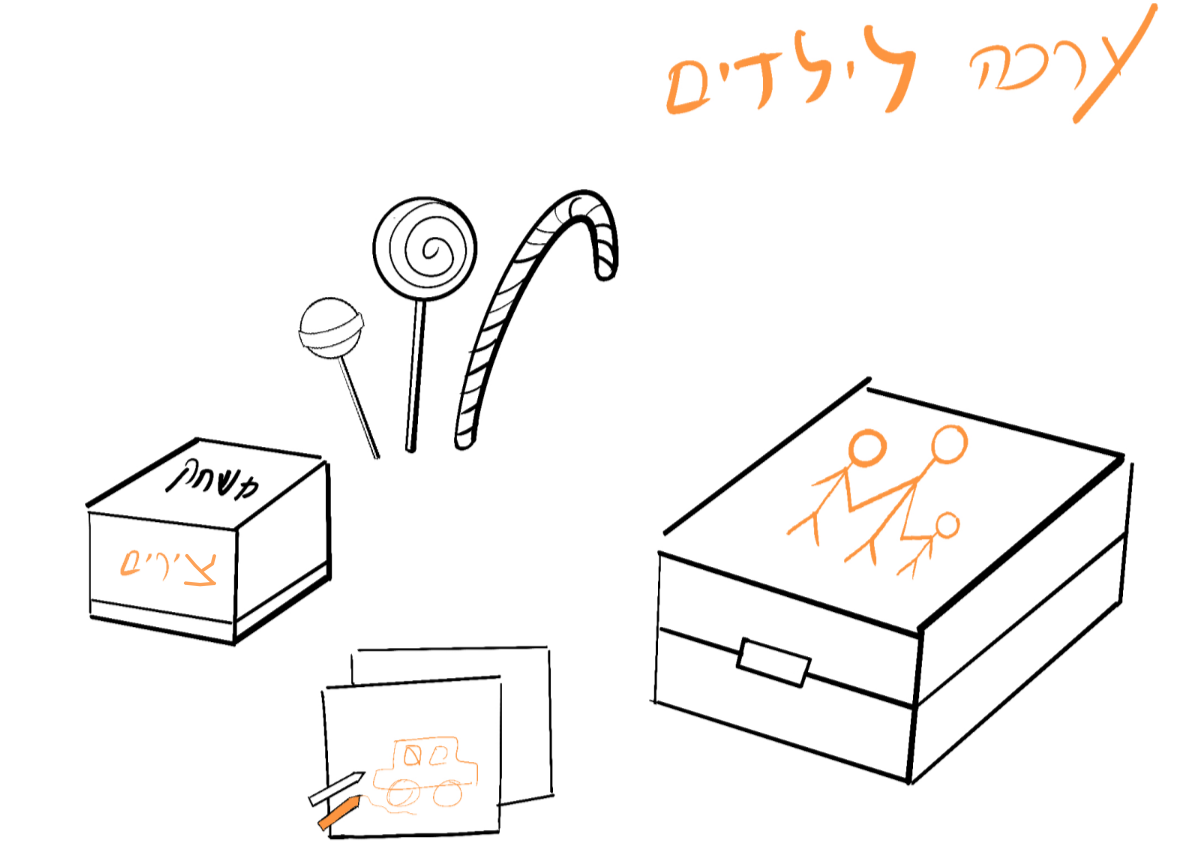
Kids kit
Booster concept
Self-service in the app
First aid kit
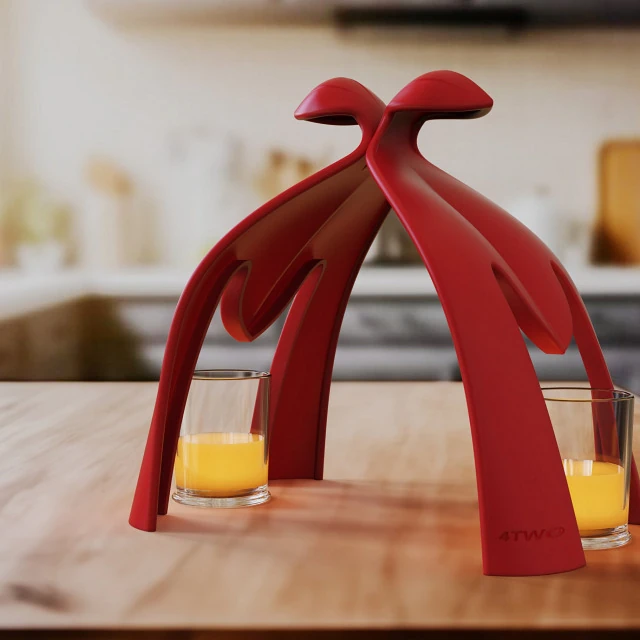
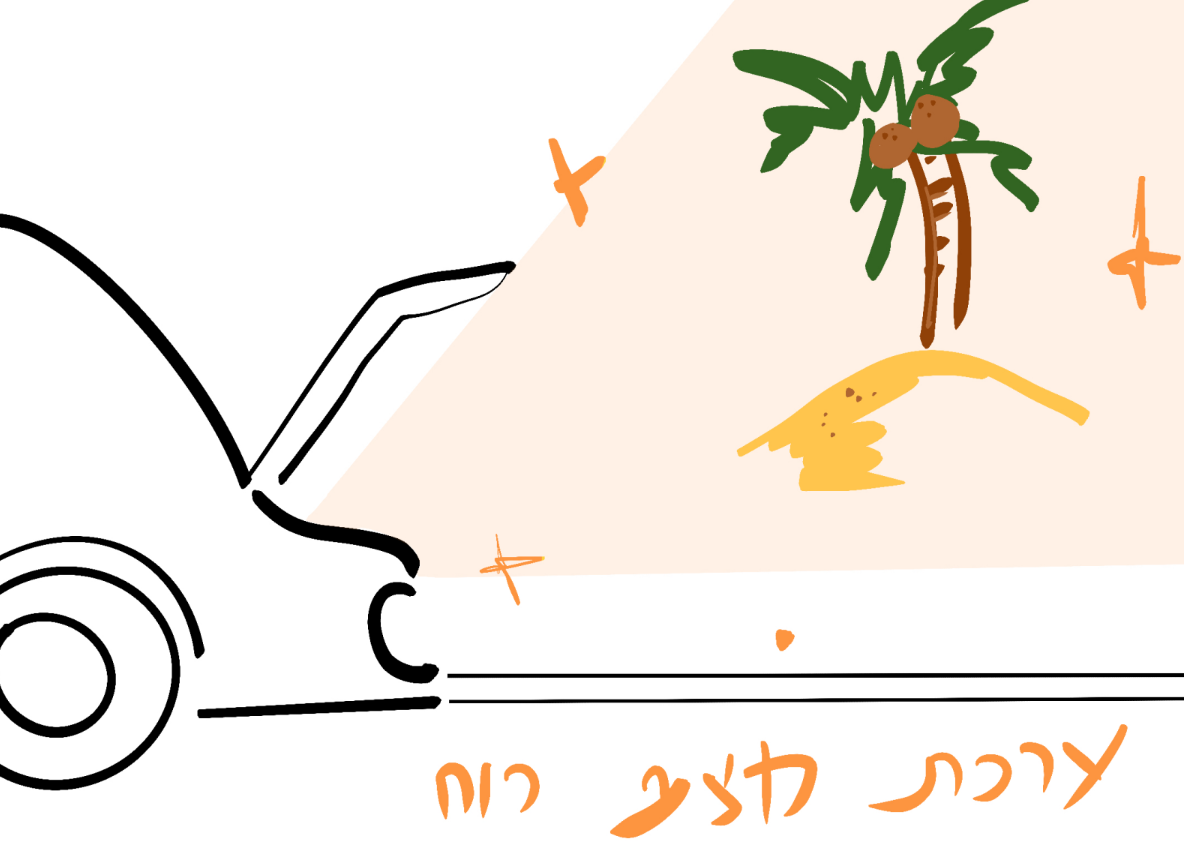
Palm tree wind-down kit

UX Strategy & Design

We concluded that to drive company growth, our primary focus should be expanding the customer base while simultaneously transforming the waiting and service experience.
Since roadside assistance is an infrequent touchpoint for consumers, customer acquisition serves as a faster, more effective lever for growth than retention alone.

Therefore, our UX strategy focused on creating a distinct competitive differentiator, giving drivers a compelling reason to actively demand “Tzirim” through their insurance provider rather than settling for competitors.

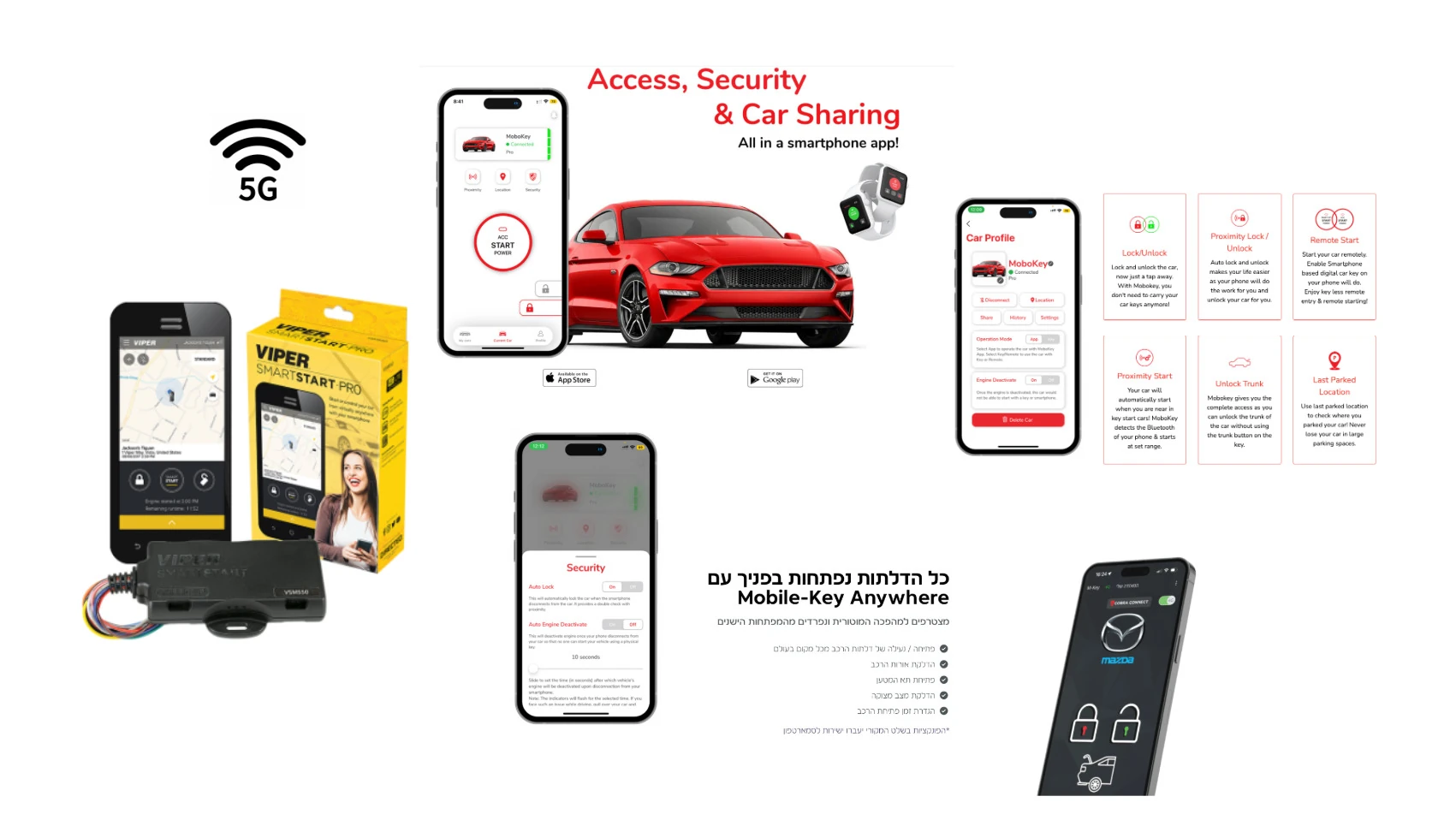
Competitor market analysis

Market Analysis

Evaluating competitor offerings, installation costs, and connectivity requirements to establish a strong product baseline.

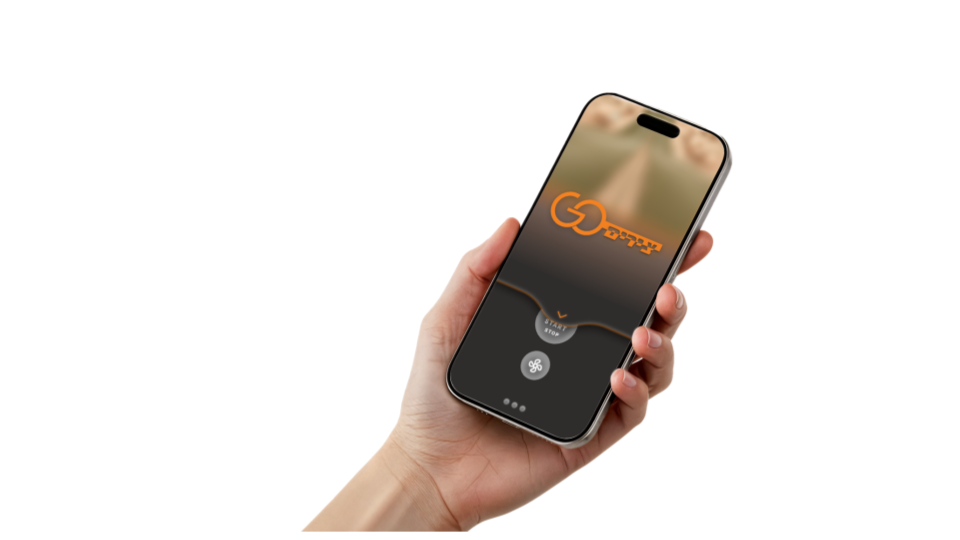
Tzirim app in hand

Dual-State System Architecture

Designing a smart mobile app connected to in-car hardware that separates daily utility from emergency workflows.

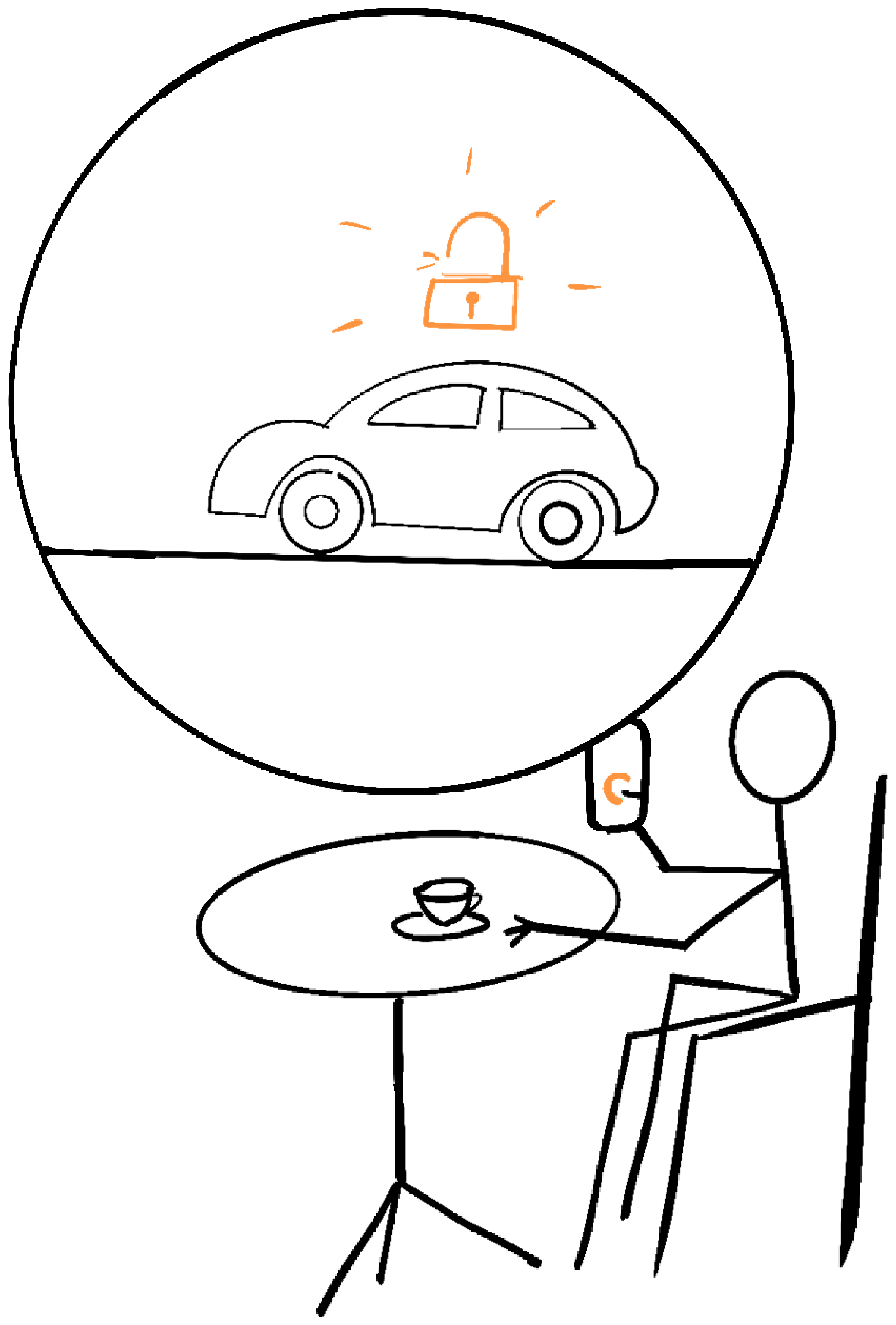
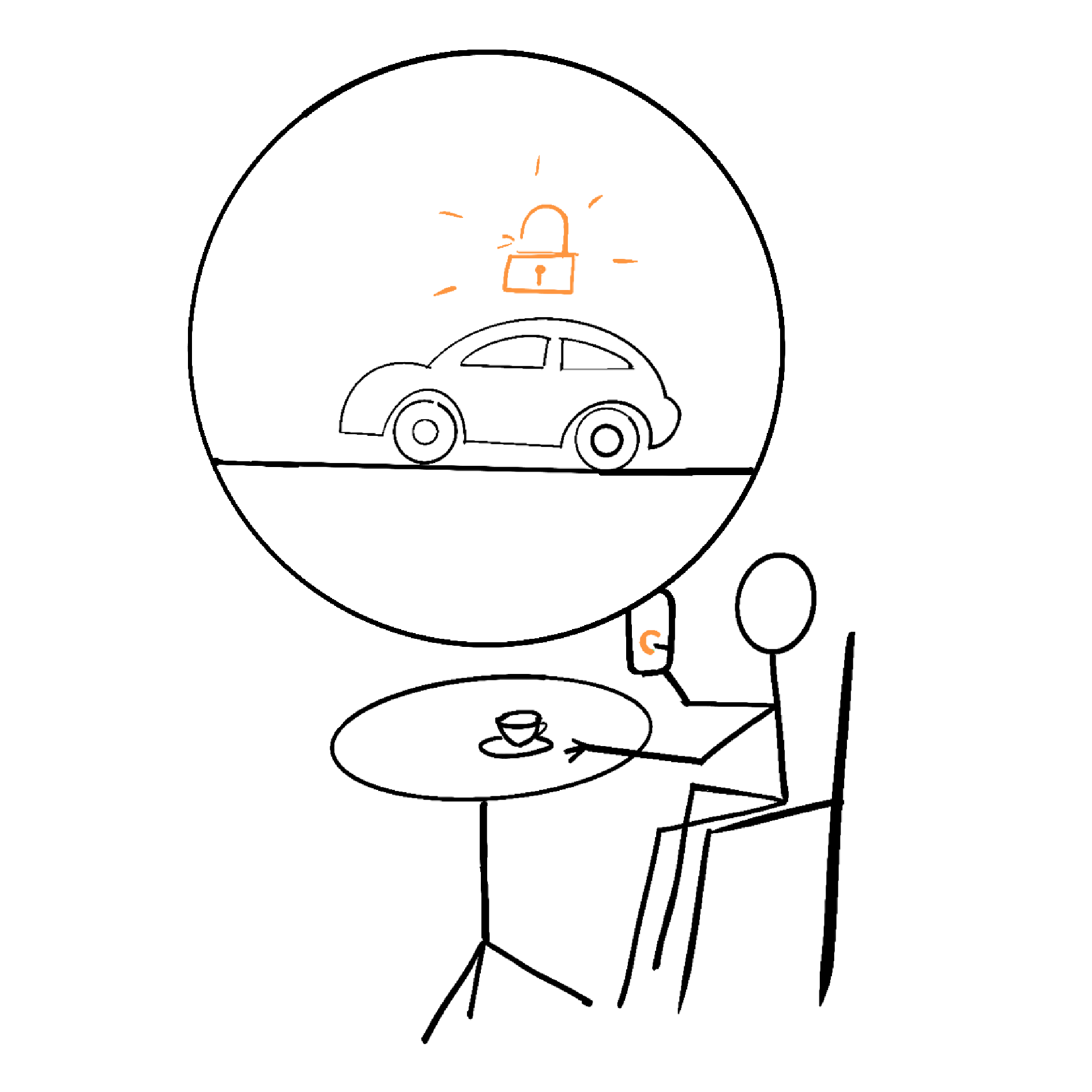
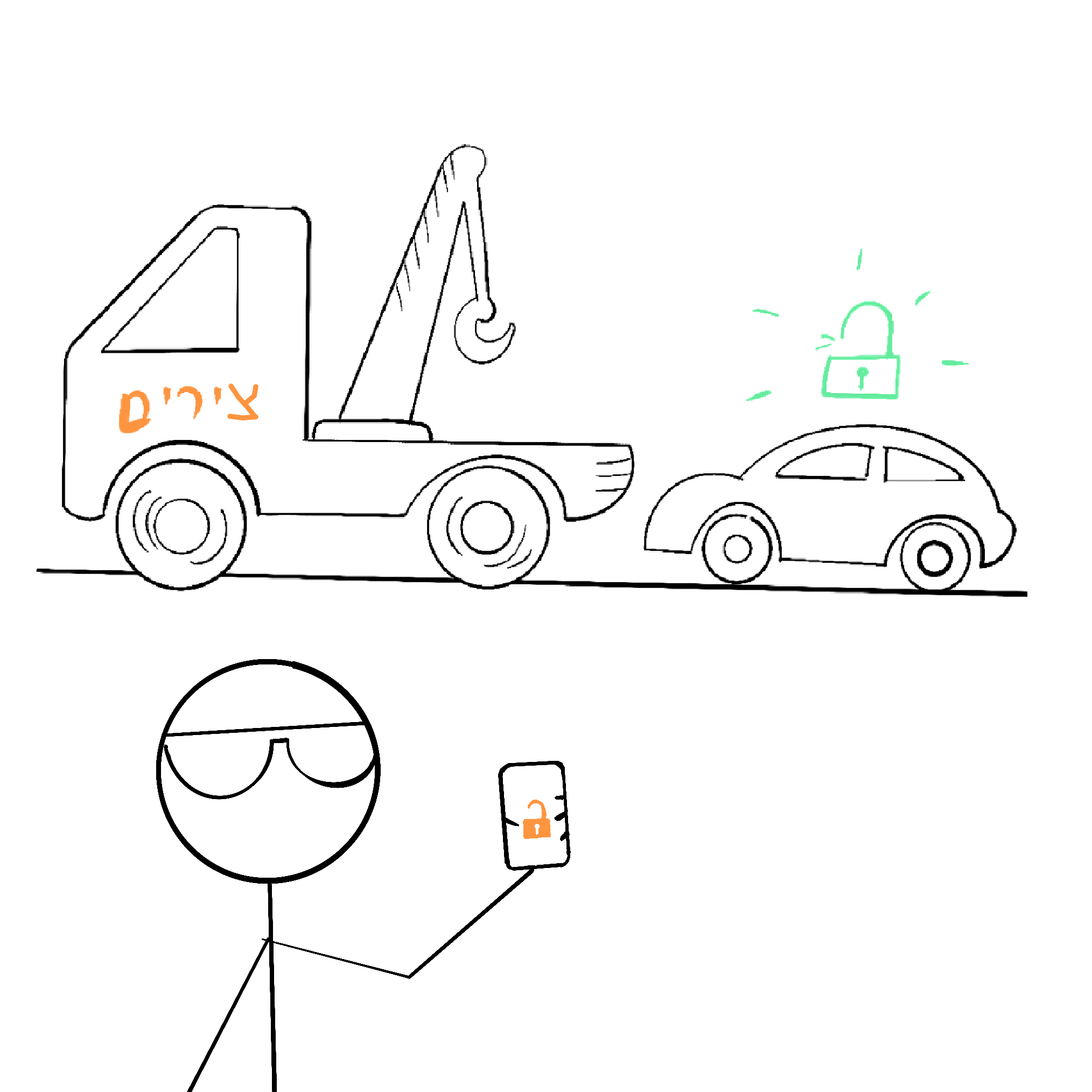
Remote locking illustration

Service Experience Model

Empowering drivers to lock the vehicle remotely, leave the scene, and wait safely elsewhere while granting secure temporary access to technicians.

Scenario

User Flow

Routine Vehicle Control
Active Driving
Roadside Breakdown
Emergency Mode Toggle
Incident Reporting
Safe Relocation
Temporary Access Delegation
Live Tracking & Status

Wireframes

Wireframe: vehicle overview
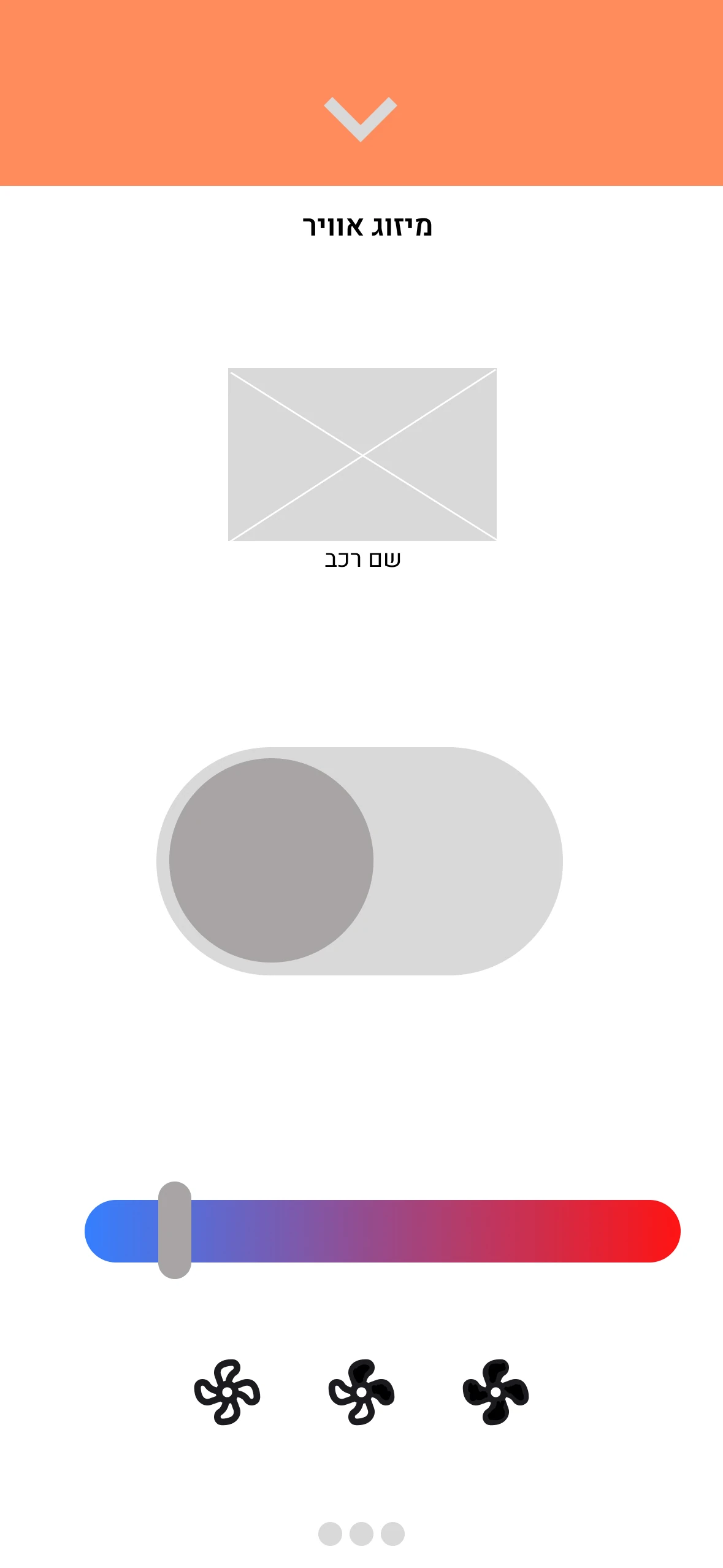
Wireframe: climate control
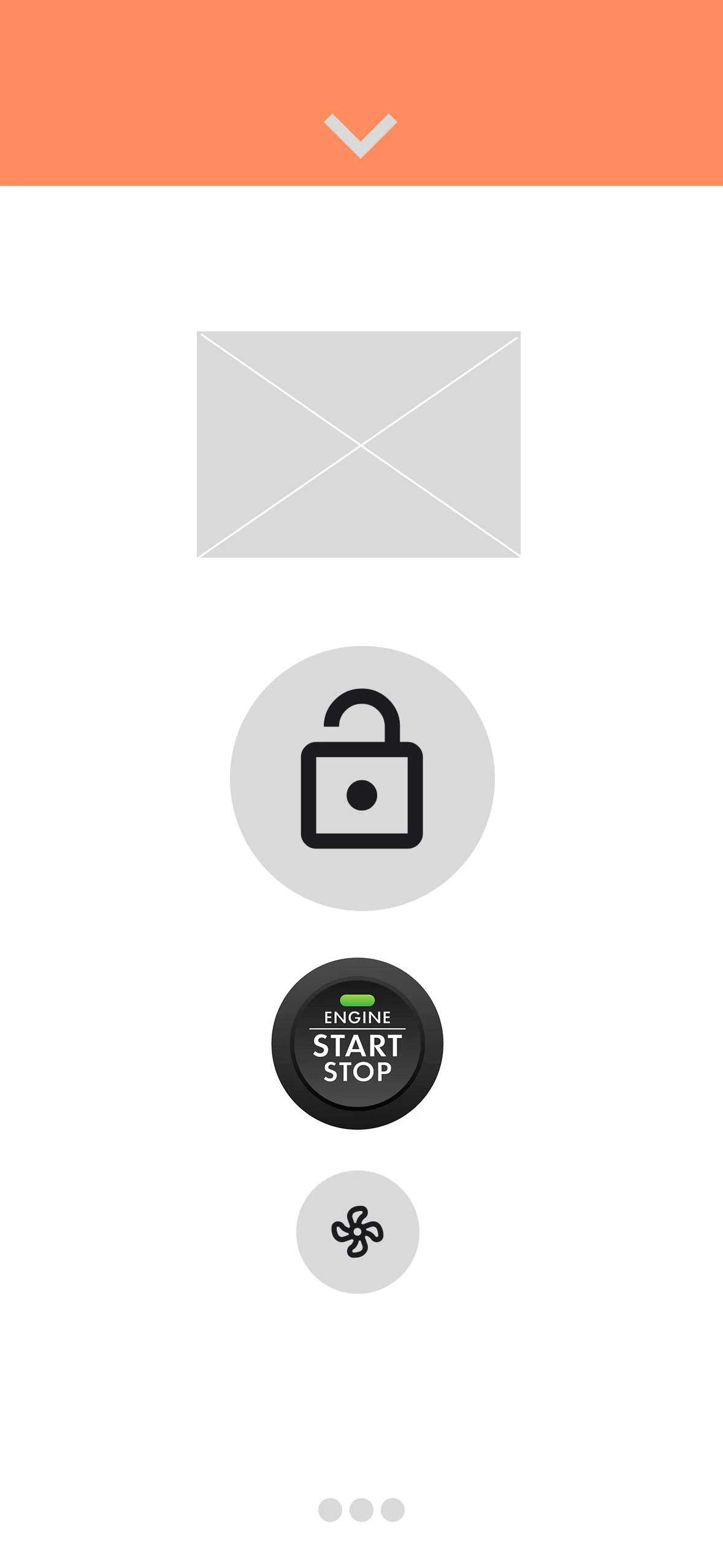
Wireframe: key and engine controls
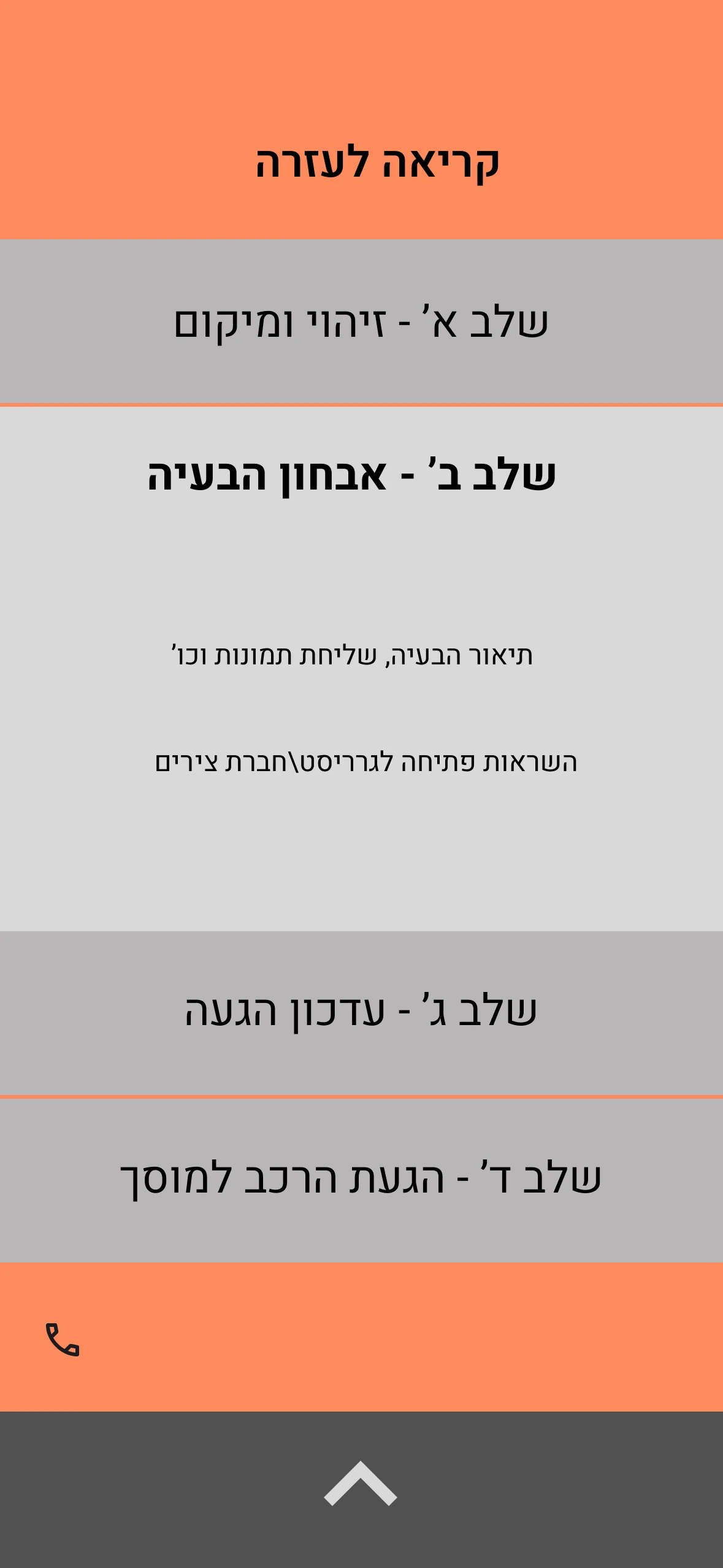
Wireframe: call for help

UI Design

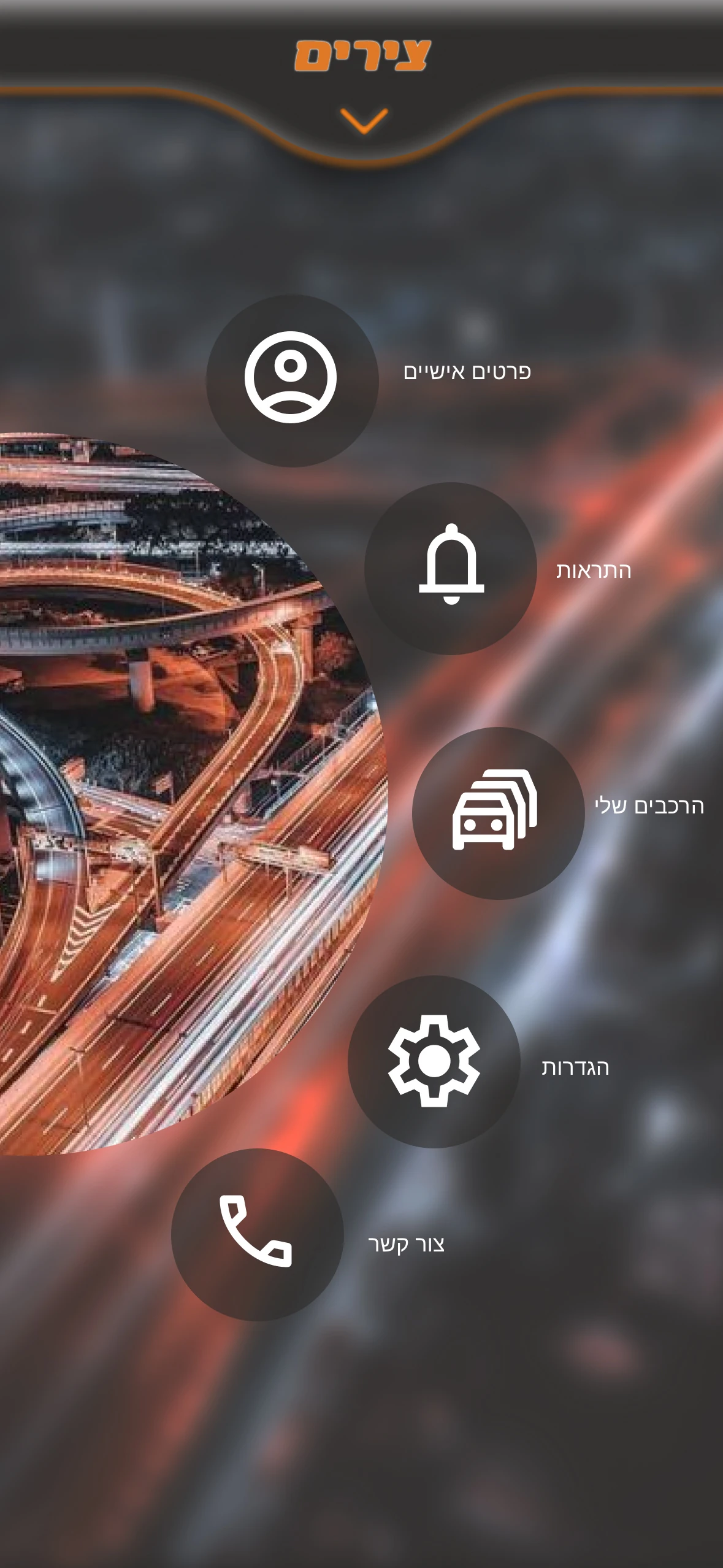
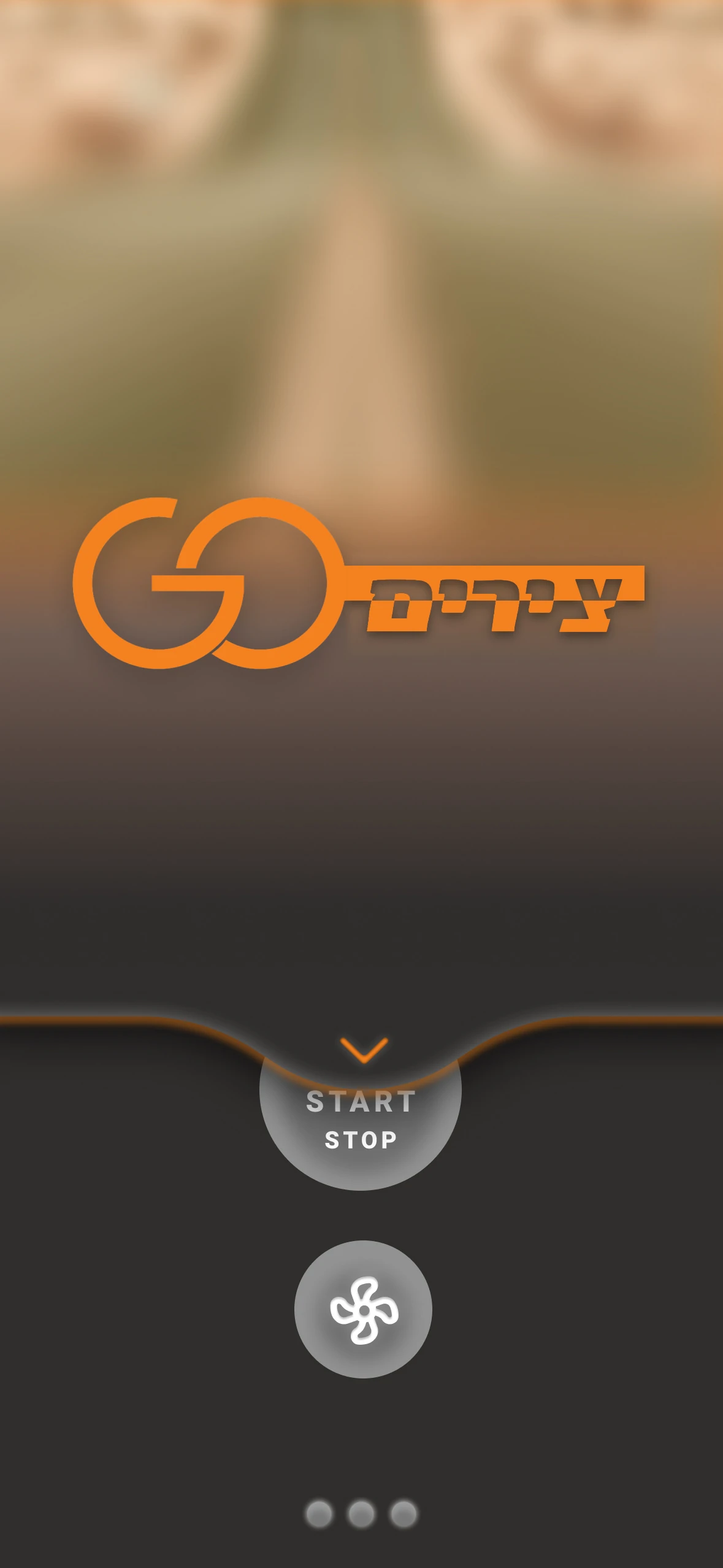
Menu screen
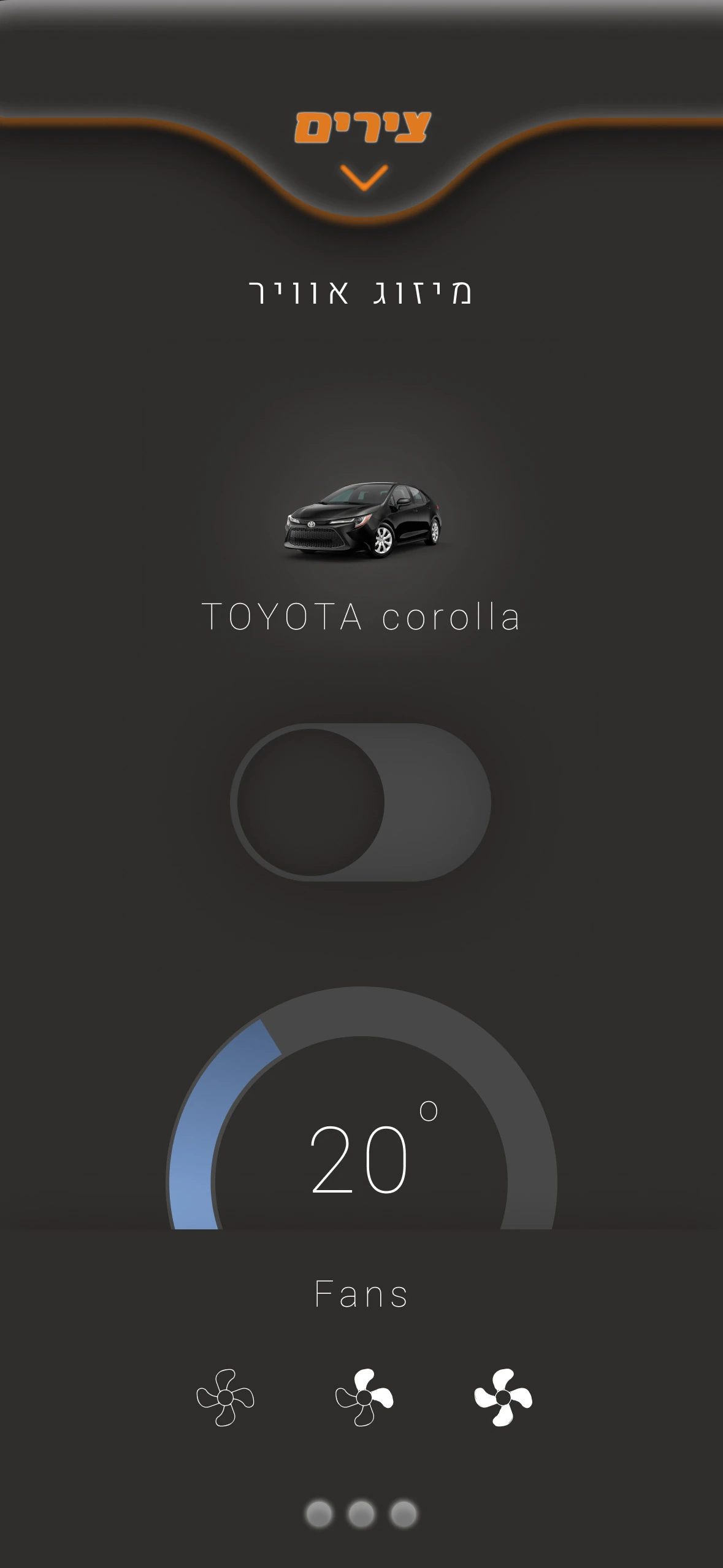
Climate control screen
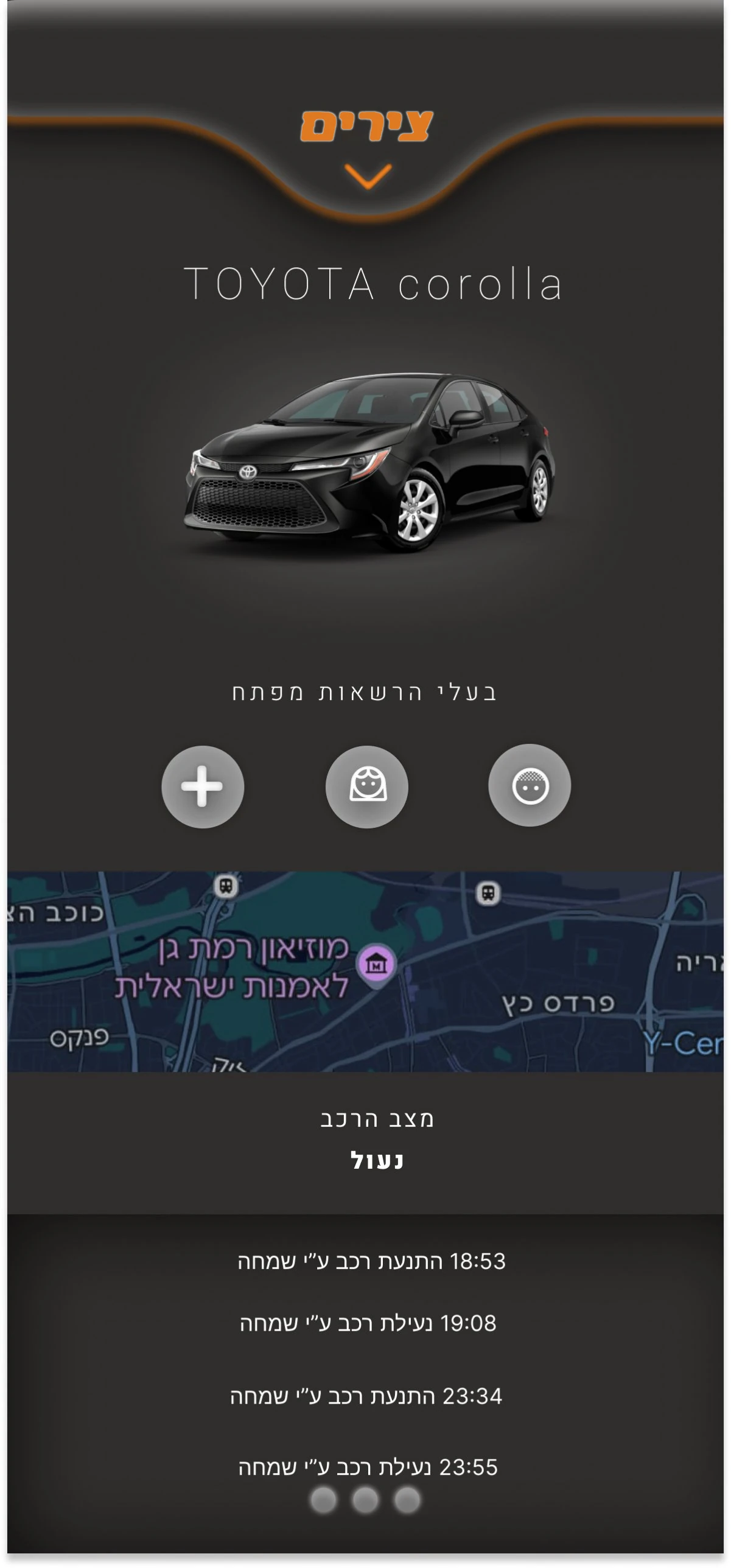
Vehicle overview screen
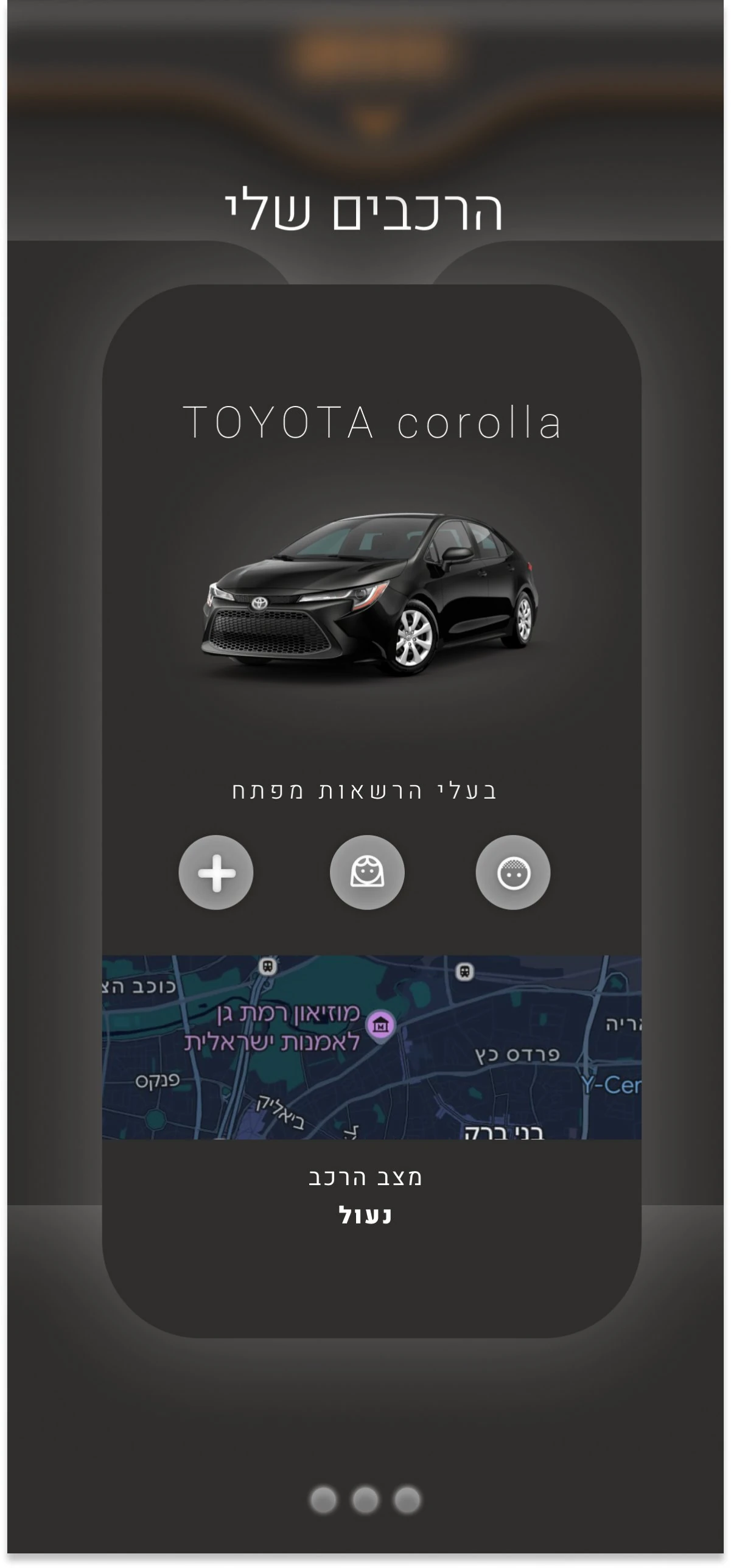
My vehicles screen

Routine Mode

A sleek, clean, and premium dark interface for day-to-day vehicle management (opening, locking, pre-starting engine, climate control, and digital key sharing for family).

Opening screen with state transition

State Transition

A scroll-triggered dynamic transition that shifts downward to seamlessly switch between the app’s routine and emergency modes.

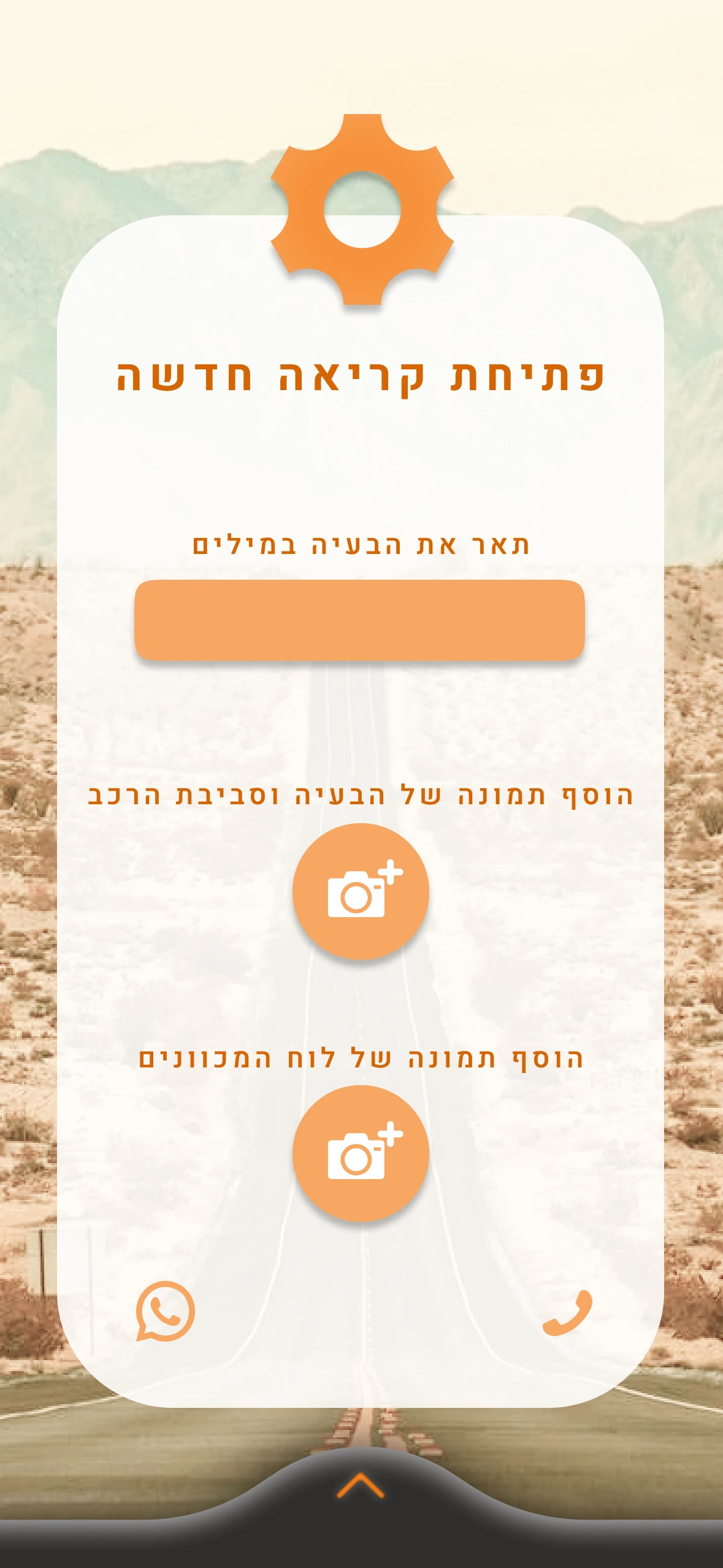
Open a new call
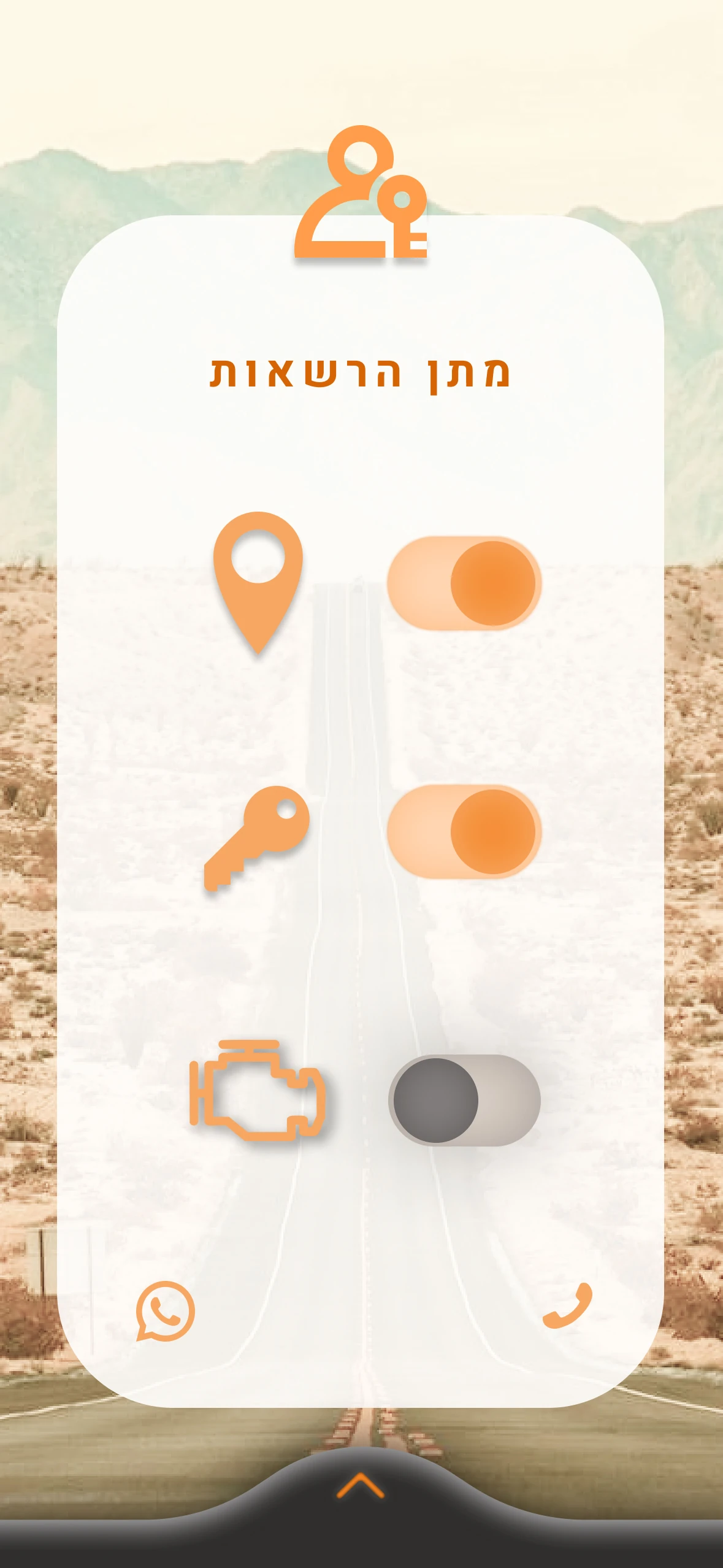
Grant permissions
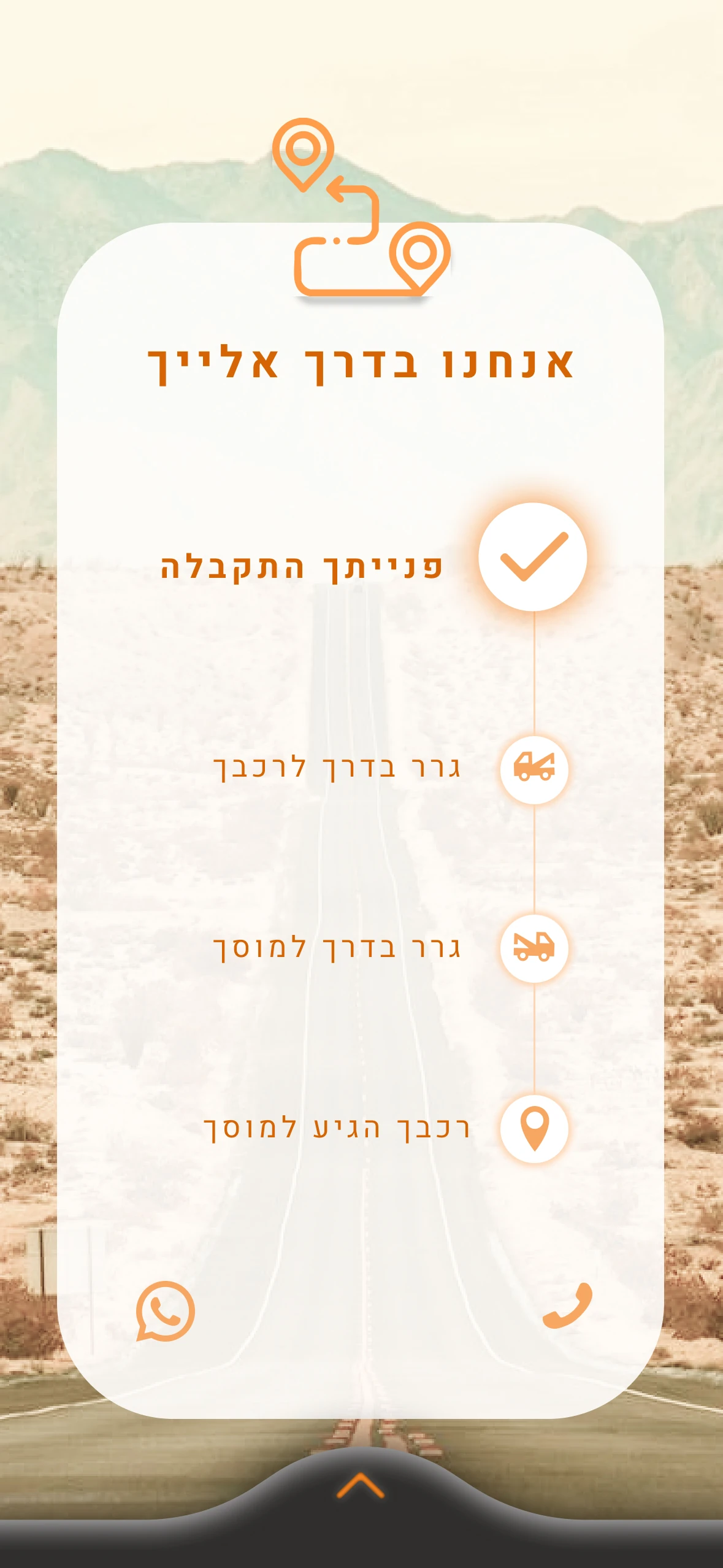
On our way
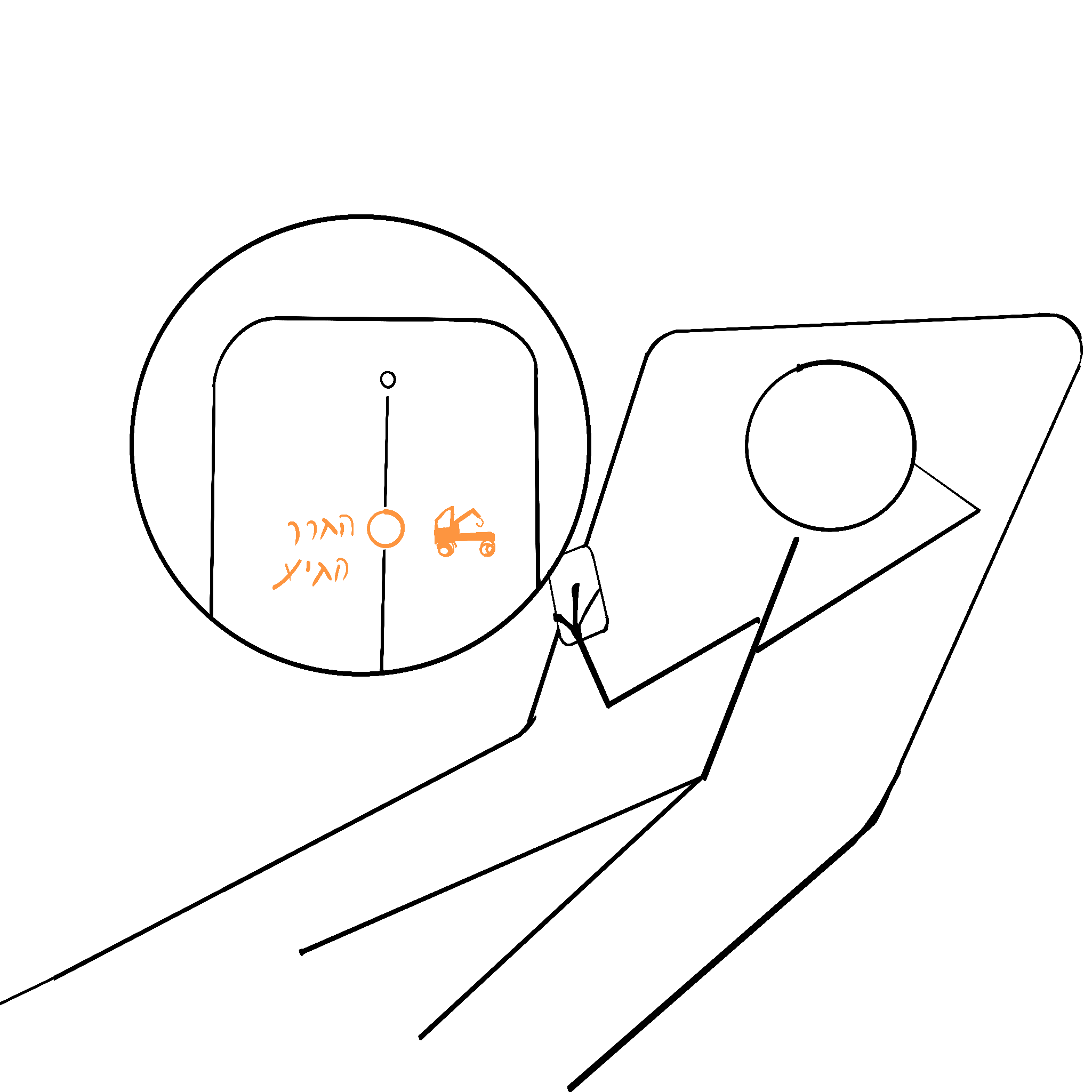
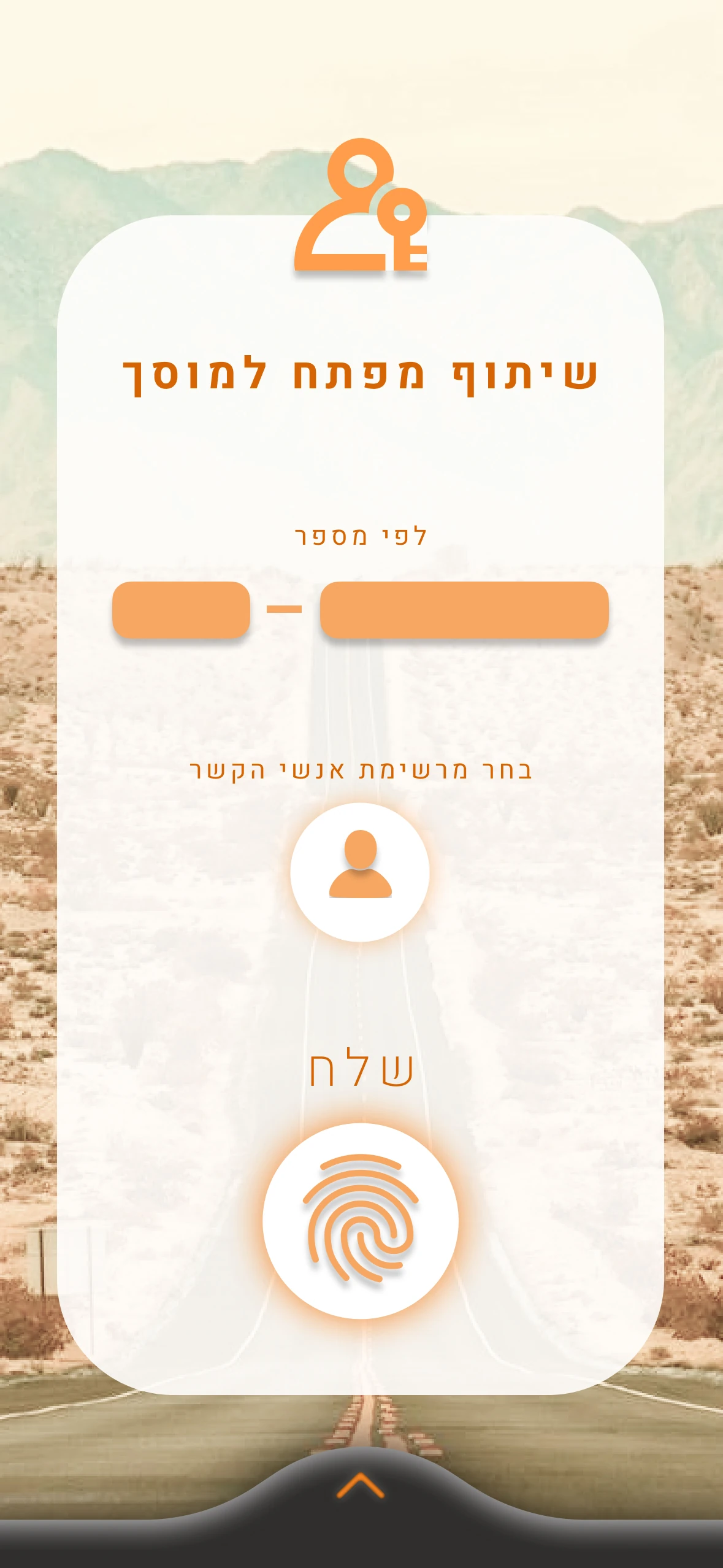
Share key with the garage

Emergency Mode

A quick transition to a bright, prominent orange interface during a breakdown that centralizes reporting, tracking tow arrival, and granting secure technician permissions without physical user presence.
Impact & Retrospective

Key Takeaways

Navigating Traditional Industry Constraints

Working closely with a legacy, risk-averse company taught me how to introduce digital innovation into a traditional operational environment. I learned the importance of balancing visionary concepts with practical, realistic steps that a traditional business can actually adopt.

Bridging Physical and Digital Services

This project sharpened my ability to translate complex, heavy physical services (like roadside towing and repairs) into a seamless, human-centered digital experience.
Design Aligned with Business Strategy

I gained a deeper understanding of how UX decisions directly impact business goals - such as overcoming market habits, driving brand differentiation, and tackling real customer acquisition challenges.
Hi, I’m Gal.

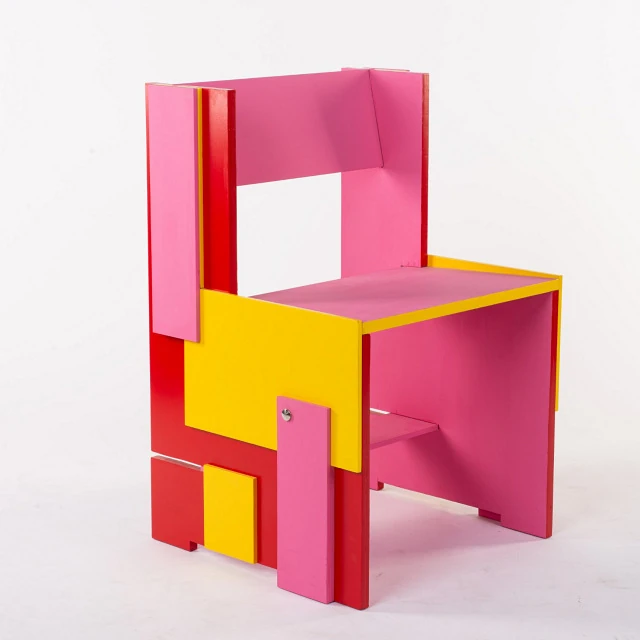
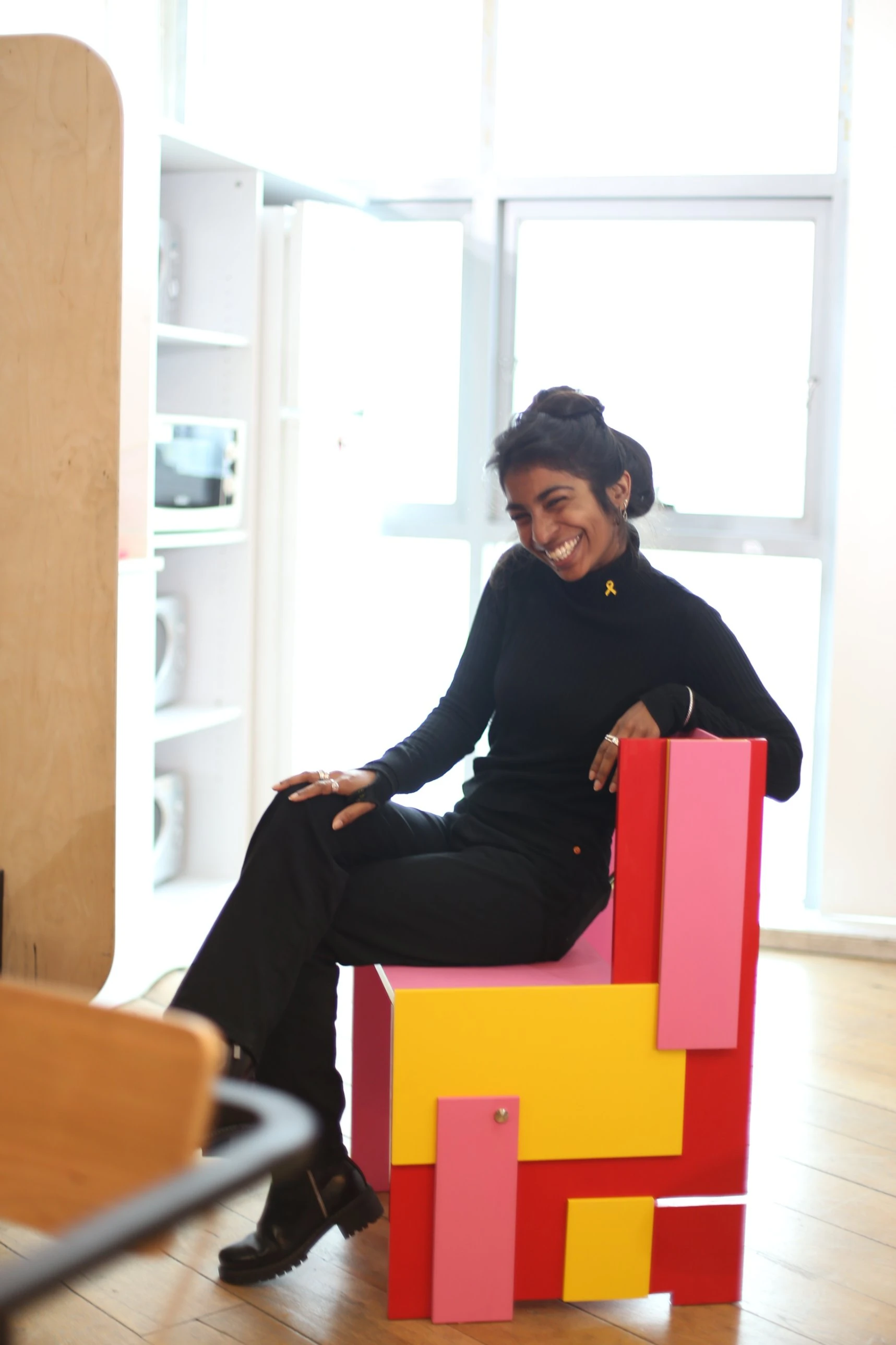
Gal Mordechay sitting on a colorful chair

At my core, I’m deeply curious about people - how they think, what frustrates them, and what makes things click for them. That’s what drew me to product design in the first place: the opportunity to listen, uncover real needs, and solve everyday friction.

With a foundation in Industrial Design, I approach problems holistically. I don’t just think about screens in isolation - I think about systems, physical and mental constraints, and how every small detail impacts the bigger picture.

I thrive in collaborative environments where logic meets empathy, turning messy, complex challenges into clear, intuitive experiences.

Creative